
Struggling with uneven baking, slow output, and inconsistent results? These issues can damage productivity and profits. A professional Rotary convection oven solution ensures efficiency, consistency, and high-quality performance.
A Rotary convection oven is a commercial baking solution designed for uniform heat distribution using rotating racks and forced airflow. It ensures consistent baking results, higher efficiency, and large-capacity production, making it ideal for bakeries, restaurants, and food production facilities requiring reliable, scalable, and high-quality output.
Discover why understanding Rotary convection ovens can transform commercial kitchen performance and elevate baking consistency to a professional level.
What is a Rotary convection oven?
A Rotary convection oven is a high-capacity commercial baking machine designed to deliver even heat distribution through a rotating rack system combined with powerful convection fans. Unlike static ovens, it continuously rotates trays inside the chamber, ensuring uniform exposure to heat. This makes it particularly suitable for large-scale baking operations where consistency is critical.
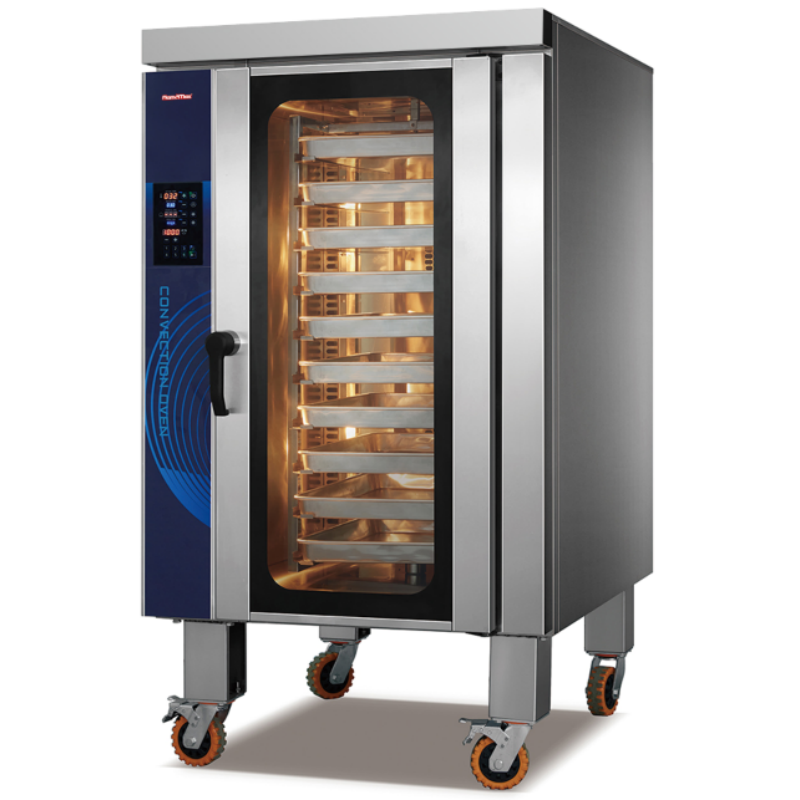
These ovens are available in various configurations such as Touch Screen Panel Rotary Electric convection oven and Touch Screen Panel Rotary Gas Convection Oven, offering flexibility depending on energy preferences. Additionally, models like Tray shelves movable convection oven with 5-tray 10-tray 16-tray and Tray shelf is of a movable trolley type convection oven 16-tray allow operators to handle large batch volumes efficiently. As a Commercial Rotary convection oven not for home using, it is engineered specifically for industrial-level productivity and durability.
What is the difference between Rotary convection oven and a regular oven?
The primary difference lies in heat distribution, capacity, and operational efficiency. A regular oven typically relies on static heating elements, which often leads to uneven baking results. In contrast, a Rotary convection oven uses a fan-assisted system combined with a rotating rack to circulate hot air evenly throughout the chamber.
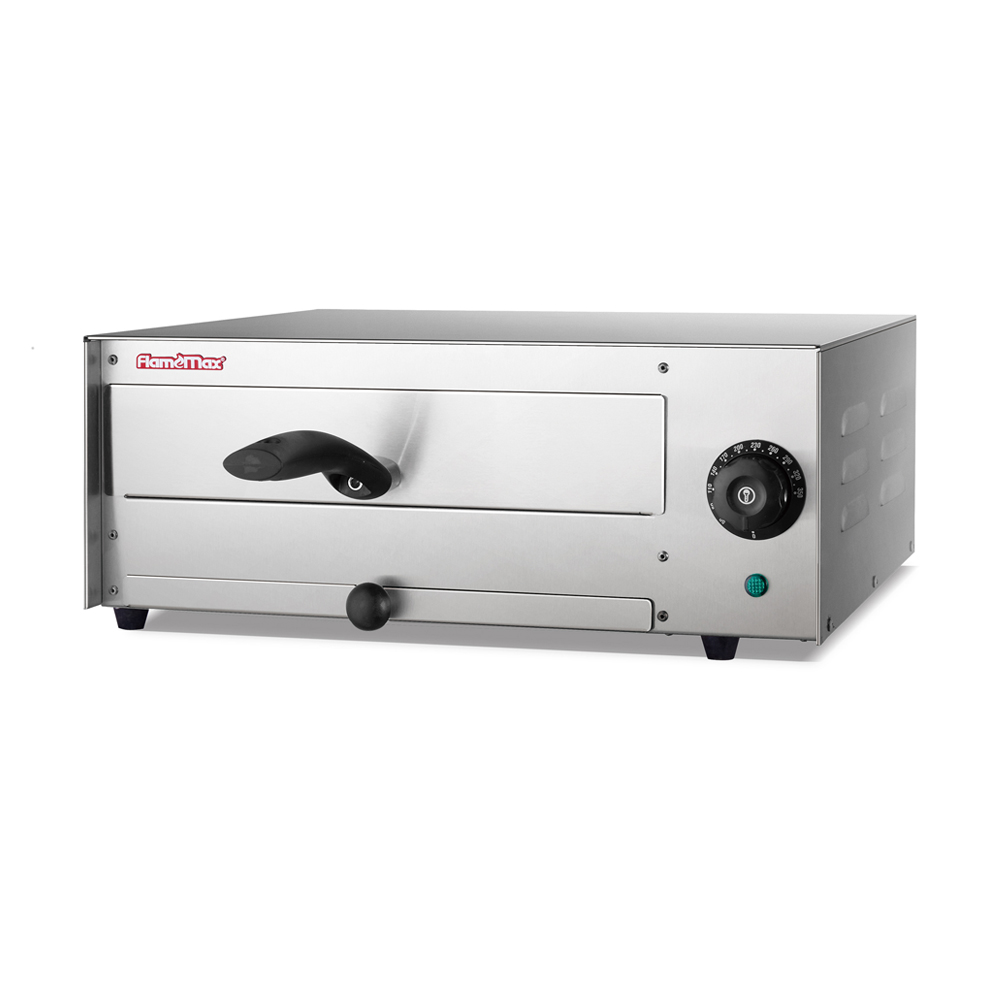
Regular ovens are usually smaller, such as a Table top convection oven, and are suitable for light-duty or home use. Meanwhile, Rotary convection ovens, especially Free standing floor type convection oven models, are designed for commercial environments requiring continuous high-volume production. They also feature advanced control systems like Digital Control panel Rotary Electric convection oven and Digital Control panel Rotary Gas Convection Oven, allowing precise temperature and humidity adjustments. This technological advantage significantly enhances baking consistency, reduces human error, and improves overall efficiency.
What are the advantages of a Rotary convection oven convection oven?
Rotary convection ovens offer numerous advantages that make them indispensable in commercial kitchens. First, they ensure uniform baking results due to their rotating mechanism and consistent airflow. This eliminates common issues such as uneven browning or undercooked sections.
Second, they significantly improve productivity. With options like Tray shelves movable convection oven with 5-tray 10-tray 16-tray, operators can bake large quantities simultaneously, reducing labor and time costs. Third, energy efficiency is enhanced through optimized heat circulation, especially in models like Touch Screen Panel Rotary Gas Convection Oven.
Additionally, advanced control interfaces such as Touch Screen Panel Rotary Electric convection oven provide user-friendly operation, programmable settings, and automation features. Their robust construction, combined with commercial-grade components, ensures durability and long service life. These ovens are also customizable to meet OEM and ODM requirements, making them ideal for distributors and large-scale buyers.
How does the Rotary convection oven works?
A Rotary convection oven operates by combining three essential elements: heat generation, forced air circulation, and mechanical rotation. Heat is produced either electrically or via gas burners, depending on whether it is a Digital Control panel Rotary Electric convection oven or Digital Control panel Rotary Gas Convection Oven.
Once heat is generated, powerful fans circulate hot air evenly throughout the baking chamber. At the same time, the tray rack—often designed as a Tray shelf is of a movable trolley type convection oven 16-tray—rotates continuously. This dual action ensures that every tray receives identical heat exposure.
The integration of intelligent control systems, especially in Touch Screen Panel Rotary Electric convection oven models, allows operators to precisely manage temperature, baking time, and airflow. This results in consistent product quality, reduced waste, and optimized baking cycles for different types of food.
A Rotary convection oven best for what kind of food?
Rotary convection ovens are best suited for a wide range of baked and roasted products, especially in high-volume commercial environments. They are ideal for bread, pastries, cakes, cookies, and pizzas, where even baking is essential. Their large capacity also makes them suitable for roasting meats and preparing ready-to-eat meals.
For bakeries and food production facilities, models like Free standing floor type convection oven provide the space and efficiency needed for continuous operation. Compared to a Table top convection oven, which is limited in capacity, Rotary ovens can handle bulk production without compromising quality.
The ability to use different tray configurations, such as Tray shelves movable convection oven with 5-tray 10-tray 16-tray, allows flexibility in baking multiple product types simultaneously. This versatility makes them a preferred choice for catering businesses, hotel kitchens, and industrial food processing units.
The tips for how to use a Rotary convection oven?
To maximize the performance of a Rotary convection oven, proper usage techniques are essential. First, always preheat the oven to the required temperature before loading trays. This ensures consistent baking from the start.
Second, avoid overloading the trays, even in large-capacity models like Tray shelf is of a movable trolley type convection oven 16-tray. Proper spacing allows optimal airflow and even heat distribution. Third, use the appropriate settings on advanced systems such as Touch Screen Panel Rotary Gas Convection Oven or Digital Control panel Rotary Electric convection oven to match specific baking requirements.
Regular maintenance is also crucial. Cleaning the interior, checking fan performance, and ensuring control panels function correctly will extend the lifespan of the equipment. Finally, operators should be trained to understand different baking cycles, ensuring consistent product quality and minimizing operational errors.
Conclusion
Rotary convection ovens deliver efficiency, consistency, and scalability, making them essential equipment for modern commercial kitchens and professional baking operations.


 English
  Español
  Français
  Italiano
  日本語
日本語  Deutsch
  Русский
  한국어
한국어  简体中文
简体中文