
Improperly‑confirmed electrical parameters are one of the most frequent causes of installation delays, unexpected site modification costs and commissioning failures. An oven may work perfectly under factory test conditions yet fail to operate on‑site due to power‑supply incompatibility. This risk rises sharply for cross‑border orders, as voltage, frequency, phase arrangement, plug standards, breaker ratings and cable requirements differ widely across markets.
If these specifications are only confirmed after production or shipment, customers often have to replace breakers, upgrade cables, change plugs or even modify distribution boards. For restaurants, bakeries, hotels and central kitchens, this brings project delays and potential business downtime.
Rule of thumb: all electrical specifications shall be confirmed with the manufacturer or supplier before production, not after delivery.
The correct electrical setup for a commercial oven depends on on‑site power supply, target voltage & frequency, rated power and local electrical codes. Our company verifies all these parameters prior to production and delivers custom‑built electrical configurations for OEM & ODM projects, helping customers avoid compatibility, installation and commissioning risks.
This article breaks down electrical requirements from both engineering and procurement perspectives. The objective is more than selecting a plug type; it ensures the full electrical chain — from machine terminals to the customer’s distribution board — operates safely, reliably and complies with local regulations.
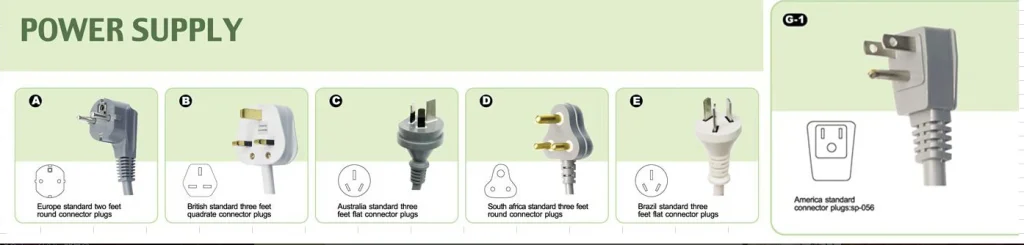
Why voltage, phase, plug and electrical load matter for placing orders
All electrical parameters interact with one another; mismatch on any item can render the equipment unusable.
- Voltage
Voltage is the top‑priority item to confirm.
Common commercial‑oven voltage grades are 220‑240 V and 380‑415 V, according to target market and machine design. The nominal value printed on the nameplate does not guarantee automatic compatibility. Manufacturers often develop separate heating systems for 230 V single‑phase and 400 V three‑phase models, which cannot be interchanged.
- Frequency
Frequency (50 Hz / 60 Hz) is equally critical.
Heating elements depend mainly on voltage and resistance. However, motors, fans, pumps, transformers and relays are frequency‑sensitive. A 50 Hz motor is not guaranteed to perform properly under 60 Hz supply.
- Phase configuration
Phase directly affects current magnitude and load distribution.
With identical total power, single‑phase circuits draw much higher current than three‑phase circuits. Higher current calls for larger‑size cables and higher‑rated breakers, raising on‑site installation costs.
- Plug / terminal connection & electrical load
Many buyers confirm voltage and phase but overlook plug standard and actual load capacity. Even with correct voltage and phase, on‑site re‑wiring will be required if plugs mismatch or the circuit cannot handle the oven’s real‑world load. Clarify whether an industrial plug is used or terminal‑only connection, and whether a dedicated circuit is mandatory.
The above figures serve as engineering reference only. Always follow site supply and certified equipment design.
For export orders, procurement documents shall state: voltage + frequency + phase + rated power + plug / terminal requirement. Simply writing “220 V oven” leaves dangerous ambiguity.
Single‑phase vs Three‑phase: procurement guidance
– Single‑phase (1Ph)
Suitable for relatively low‑power units where three‑phase power is unavailable on‑site, easy installation for small commercial kitchens.
Limitation: operating current increases significantly as power goes up, imposing higher demands on wiring and breakers.
– Three‑phase (3Ph)
Preferred for high‑power commercial ovens. Total load is spread across three phases, reducing per‑conductor current and making large‑capacity installations practical.
Three‑phase is not universally superior: the premise is that the building has valid three‑phase supply, and both phase‑to‑phase and phase‑neutral voltage match machine design.
Best practice: define single‑phase / three‑phase solution based first on the customer’s existing on‑site power condition.
Complete check‑list
Information buyers should collect from end‑customers
- Available on‑site voltage
- Grid frequency (50 Hz / 60 Hz)
- Availability of three‑phase supply, actual phase‑to‑phase & phase‑neutral voltage
- Maximum allowable electrical load
- Local electrical codes, mandatory plug or wiring standards
Technical data suppliers must provide
- Rated power (kW)
- Rated operating voltage
- Phase configuration (1Ph / 3Ph)
- Operating frequency
- Rated working current
- Recommended breaker rating
- Suggested cable cross‑section (subject to local codes)
- Plug model or terminal‑connection specification
- Requirement for dedicated circuit
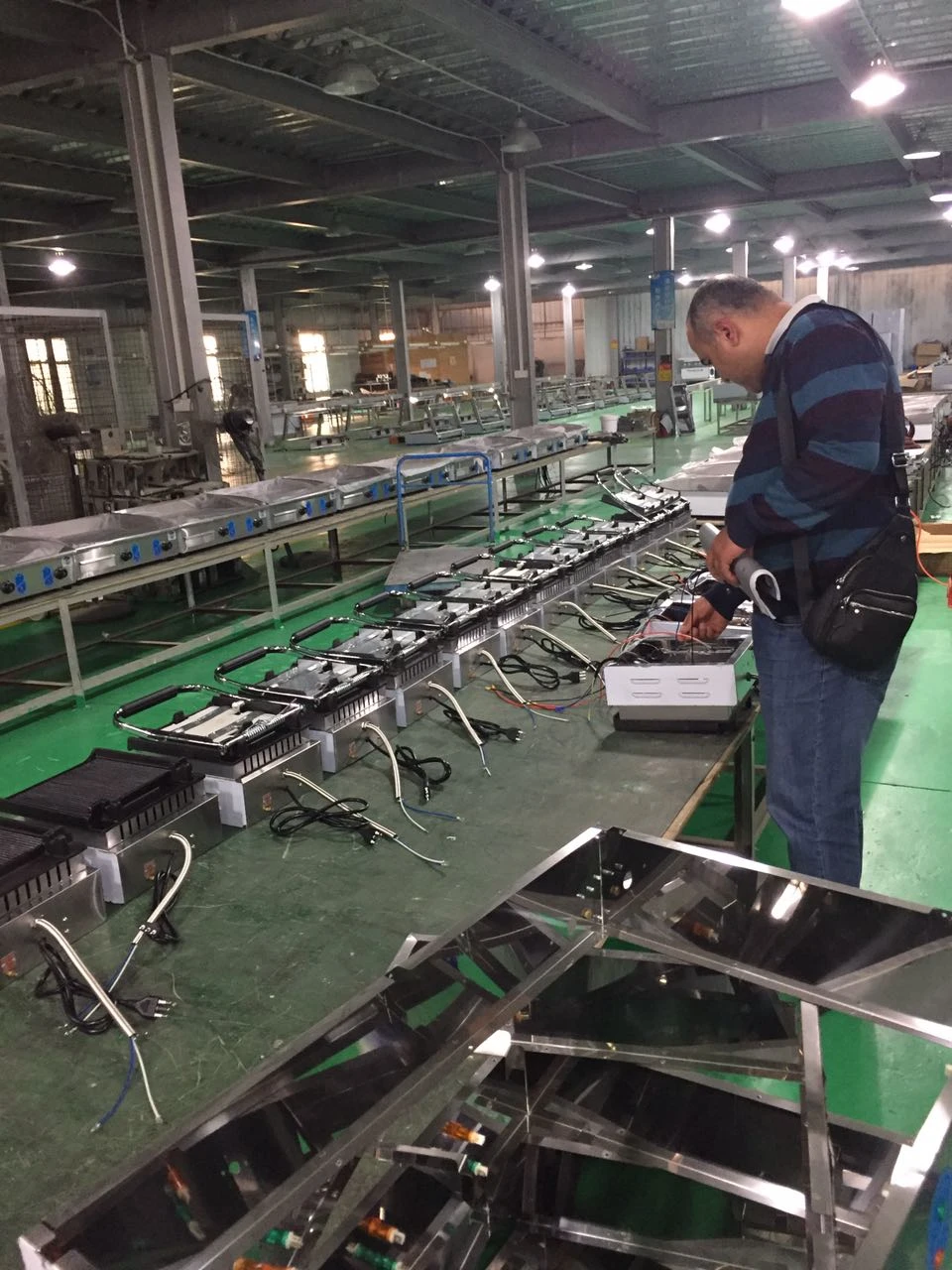
Conclusion
For OEM / ODM commercial‑oven projects, follow this workflow:
Gather end‑user on‑site power data → lock full electrical specs (voltage‑frequency‑phase‑power‑plug‑load) → obtain complete electrical datasheet from supplier → start production.
Do not finalise production before full electrical confirmation, to prevent avoidable installation failures and financial losses.



 English
  Español
  Français
  Italiano
  日本語
日本語  Deutsch
  Русский
  한국어
한국어  简体中文
简体中文