
Struggling to Achieve Even Baking and Faster Cooking in Your Commercial Kitchen?
For many importers, distributors, and catering businesses, inconsistent cooking results and slow kitchen output can directly impact customer satisfaction and profit margins. Uneven heat distribution, longer cooking times, and high energy consumption are common challenges in traditional ovens. These issues not only reduce efficiency but also increase operational costs. A convection oven offers a practical solution by improving heat circulation, ensuring uniform cooking, and significantly enhancing productivity in commercial kitchens.
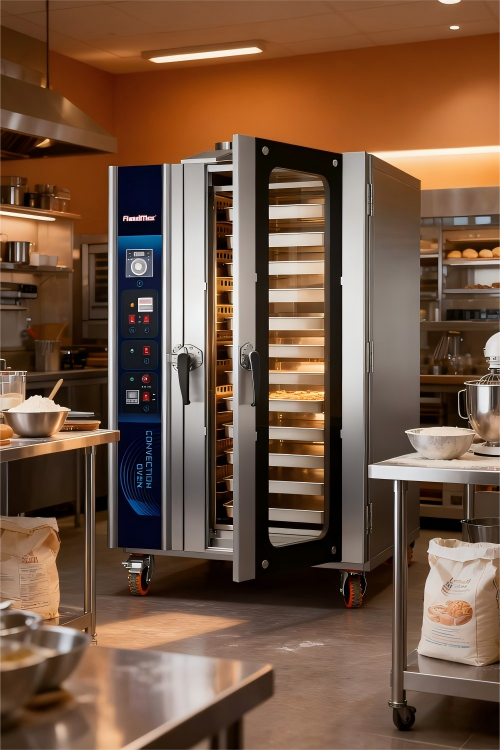
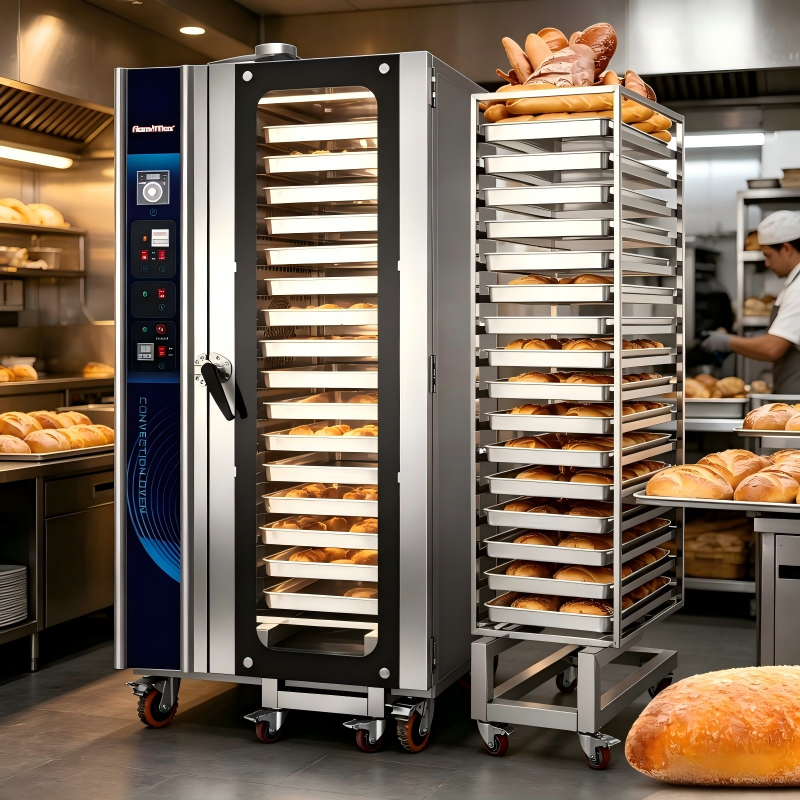
A convection oven uses a built-in fan and exhaust system to circulate hot air evenly around food, resulting in faster cooking times, consistent browning, and improved energy efficiency. It is widely used in commercial kitchens, bakeries, and restaurants for its ability to deliver uniform results and handle high-volume cooking with precision.
Understanding how a convection oven works and how to use it effectively can help wholesalers, distributors, and kitchen operators maximize performance and profitability. The following sections explore its functions, applications, and best practices in detail.
What Does Convection Mode Do?
Convection mode activates an internal fan that circulates hot air throughout the oven cavity. This continuous airflow eliminates hot and cold spots, ensuring that food cooks evenly on all sides. Compared to traditional ovens, a convection oven reduces cooking time by up to 25%, making it highly efficient for commercial use.
For a manufacturer or supplier, this feature is particularly valuable because it allows businesses to increase output without compromising quality. Whether baking pastries or roasting meats, convection mode ensures consistent texture, color, and flavor. This makes it a preferred choice for OEM and ODM clients seeking reliable kitchen equipment.
How to Use a Convection Oven for Cooking or Baking?
Adjust Temperature and Time
When using a convection oven, it is important to reduce the cooking temperature by approximately 15–20°C compared to a conventional oven. The circulating air speeds up the cooking process, so monitoring time is essential to avoid overcooking.
Proper Food Placement
To maximize airflow, food should be spaced evenly on racks. Avoid overcrowding, as this can block air circulation and affect cooking performance. This is especially important for wholesalers and distributors supplying equipment to high-volume kitchens.
Use Suitable Cookware
Low-sided baking trays and pans are ideal for convection ovens because they allow better air movement. Many customizable models from professional manufacturers are designed to accommodate various tray sizes, enhancing flexibility for different cooking needs.
When to Use Convection Baking?
Convection baking is ideal for foods that benefit from even browning and crisp textures. Examples include pastries, cookies, roasted vegetables, and meats. The consistent airflow ensures that each item cooks uniformly, which is crucial for businesses aiming to maintain product quality across large batches.
For suppliers and wholesalers, recommending convection baking to clients can help them achieve better results and improve kitchen efficiency. It is particularly useful in bakeries and fast-food chains where speed and consistency are essential.
Can You Use a Convection Oven as a Regular Oven?
Yes, most convection ovens come with a standard baking mode that allows them to function like traditional ovens. This flexibility makes them a versatile investment for commercial kitchens. Users can switch off the fan when preparing delicate dishes such as cakes or custards that require minimal air movement.
For OEM and ODM projects, this dual functionality is a key selling point. It enables distributors and importers to offer a single piece of equipment that meets multiple cooking requirements, reducing the need for additional appliances.
What Recipes Should I Try in a Convection Oven?
Baked Goods
Convection ovens are perfect for baking bread, muffins, and cookies. The even heat distribution ensures consistent rise and golden crusts, making them ideal for bakery equipment applications.
Roasted Meats
Chicken, beef, and lamb benefit greatly from convection cooking. The circulating air helps render fat and create a crispy exterior while keeping the inside juicy.
Vegetables and Snacks
Roasted vegetables, fries, and snack items achieve a crisp texture without excessive oil. This is particularly beneficial for catering businesses aiming to offer healthier menu options.
These versatile cooking applications make convection ovens a valuable asset for any manufacturer, supplier, or wholesaler targeting professional kitchen markets.
Conclusion
A convection oven enhances efficiency, consistency, and versatility in commercial kitchens, making it an essential solution for wholesalers, suppliers, and catering businesses seeking high-performance, customizable cooking equipment.


 English
  Español
  Français
  Italiano
  日本語
日本語  Deutsch
  Русский
  한국어
한국어  简体中文
简体中文