
Why Are Your Baked Goods Uneven and Your Kitchen Efficiency Low?
Many commercial kitchens struggle with inconsistent baking results, longer cooking times, and rising energy costs. Traditional ovens often create hot spots, leading to uneven textures and wasted batches. For importers, distributors, and foodservice operators, this means dissatisfied customers and reduced profits. The solution lies in adopting a convection oven, designed to improve heat distribution, cooking speed, and overall efficiency in professional kitchens.
A convection oven uses a built-in fan and exhaust system to circulate hot air evenly around food, ensuring faster cooking times, consistent results, and improved energy efficiency. It is widely used in commercial kitchens, bakeries, and foodservice operations to enhance productivity and deliver high-quality dishes with precision.
Understanding how a convection oven works and its advantages can help buyers, distributors, and kitchen operators make informed decisions. The following sections explore its benefits, applications, and practical tips to maximize performance in commercial environments.
Is There a Benefit to Using a Convection Oven vs. a Traditional Oven?
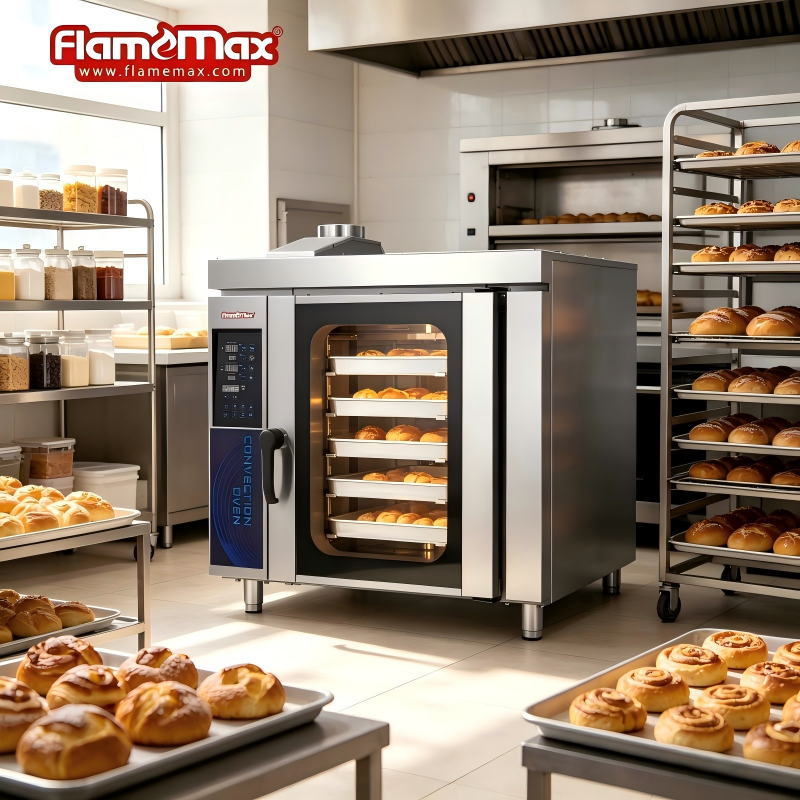
A convection oven offers significant advantages over a traditional oven, especially in commercial applications. Unlike conventional ovens that rely on static heat, a convection oven uses a fan system to circulate hot air evenly. This eliminates temperature inconsistencies and ensures uniform cooking across multiple trays.
For businesses sourcing from a reliable Manufacturer or Supplier, this difference translates into higher productivity and better product consistency. Whether it is a commercial bread oven or a commercial electric oven, convection technology reduces cooking time while improving texture and appearance.
Additionally, convection ovens support bulk cooking, making them ideal for bakeries, restaurants, and large-scale catering operations. This efficiency is particularly valuable for OEM/ODM clients who require reliable performance and standardized output across different markets.
What Are the Benefits of a Convection Oven?
Even Heat Distribution
The most notable benefit of a convection oven is its ability to distribute heat evenly. The internal fan ensures that hot air reaches every corner of the oven, preventing undercooked or overcooked areas. This is essential for baking pastries, bread, and cakes where precision matters.
Faster Cooking Time
Compared to traditional ovens, convection ovens cook food up to 25% faster. This increased efficiency allows commercial kitchens to handle higher volumes, which is critical for importers and distributors supplying busy foodservice businesses.
Energy Efficiency
Because cooking times are shorter and temperatures can be lower, convection ovens consume less energy. This makes them a cost-effective solution for long-term operations, especially when sourcing from an experienced Manufacturer with advanced production capabilities.
Versatility
From roasting meats to baking bread, a convection oven supports a wide range of applications. It is commonly integrated into commercial electric oven systems and commercial bread oven setups, offering flexibility for various cooking needs.
Do I Need to Adjust Recipes for a Convection Oven?
Yes, recipes often need slight adjustments when using a convection oven. Since heat circulates more efficiently, cooking temperatures are typically reduced by about 20°C (or 25°F). This prevents overcooking and ensures optimal results.
Cooking time should also be monitored closely. Food generally cooks faster, so reducing the cooking duration by 10–20% is recommended. For professional kitchens, this adjustment improves workflow efficiency and minimizes waste.
For OEM/ODM clients working with a trusted Supplier, many modern convection ovens come with programmable controls. These features allow precise temperature and time settings, making it easier to adapt recipes without compromising quality.
What Type of Oven Cooks Food Faster?
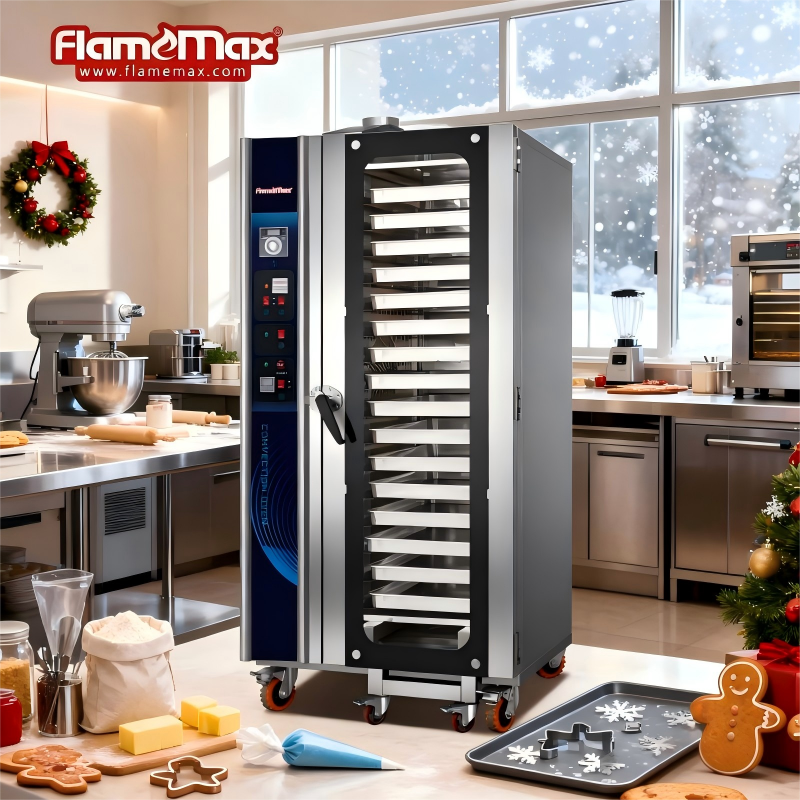
A convection oven is widely recognized as the faster option compared to traditional ovens. The continuous circulation of hot air accelerates heat transfer, allowing food to cook more quickly and evenly.
This advantage is particularly important in commercial settings where speed and consistency directly impact profitability. Whether used as a standalone unit or integrated into a commercial electric oven system, convection technology enhances kitchen productivity.
For distributors and importers, offering high-performance equipment such as a convection-based commercial bread oven can provide a competitive edge in the market. Faster cooking not only increases output but also improves customer satisfaction.
Does a Convection Oven Deliver Better Results When Cooking and Baking?
In most cases, a convection oven delivers superior results. The even airflow creates consistent browning and crisp textures, making it ideal for baking pastries, roasting meats, and preparing a wide range of dishes.
For baking applications, the uniform heat ensures that cakes rise evenly and bread develops a perfect crust. This is why many professional bakeries rely on convection-based commercial bread oven systems.
In cooking applications, convection ovens enhance flavor and texture by reducing moisture loss while maintaining crisp exteriors. For businesses sourcing from a reliable Manufacturer, this translates into higher-quality output and greater customer satisfaction.
Furthermore, modern convection ovens offered by leading Suppliers often include advanced features such as digital controls, multi-layer baking, and customizable settings. These capabilities are especially valuable for OEM/ODM clients seeking tailored solutions.
Conclusion
A convection oven improves efficiency, consistency, and cooking quality, making it an essential investment for modern commercial kitchens and distributors seeking reliable, high-performance equipment.


 English
  Español
  Français
  Italiano
  日本語
日本語  Deutsch
  Русский
  한국어
한국어  简体中文
简体中文