
Rapid Cook Oven Supply Chain Risks: Protecting Procurement from Delays, Compliance Failures, and Hidden Costs
Procuring a Rapid Cook Oven for commercial kitchens is more complex than comparing quotations. A delayed shipment can disrupt project schedules, while inconsistent product quality, incomplete import documentation, or unreliable after-sales support can undermine an entire distribution business. For importers and catering equipment wholesalers, these problems may lead to customs clearance delays, unexpected landed costs, warranty disputes, inventory shortages, and reputational damage. The pressure increases when buyers manage multiple brands, private-label products, and large-volume orders across different markets. Choosing a supplier solely because of a low quotation can create substantial supply chain risks that emerge only after payment or shipment. A more reliable strategy evaluates manufacturing capability, technical suitability, regulatory compliance, production consistency, and long-term service support before a purchase order is confirmed.
What Defines a Reliable Rapid Cook Oven Manufacturer and Supplier?
A qualified Rapid Cook Oven Manufacturer and Supplier should demonstrate consistent production quality, verified product specifications, applicable compliance documentation, transparent lead times, dependable spare-parts support, and flexible OEM and ODM capabilities. FLAMEMAX, a commercial catering equipment manufacturer in China with 19 years of manufacturing experience, supports B2B buyers through factory production, quality inspection, customization, and international after-sales service.
For importers, distributors, and engineering wholesalers, the most important purchasing insights often lie beyond a product catalogue. Understanding how manufacturers manage production capacity, documentation, component sourcing, warranty obligations, and customization can reveal risks before they affect profitability. The following procurement considerations explain how to assess a Rapid Cook Oven Supplier using practical commercial criteria, rather than relying on price quotations or sales promises alone.
1. Performance-Driven Model Selection: Match Oven Specifications to Real-World Commercial Kitchen Demands
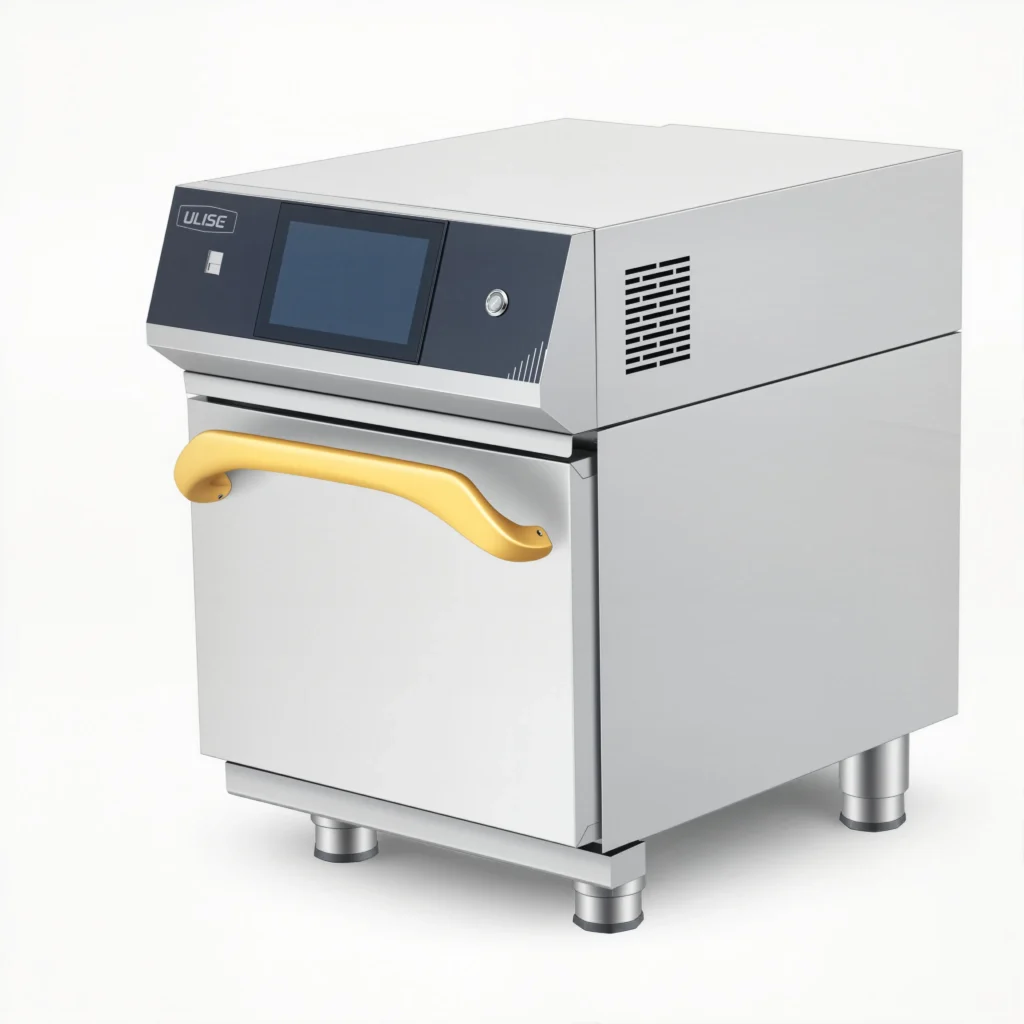
Selecting the right Rapid Cook Oven begins with an assessment of the intended application, operating environment, and expected production volume. A model suitable for a small café may not meet the throughput requirements of a hotel breakfast service, convenience store, or high-volume quick-service restaurant. Buyers should compare heating technology, rated power, chamber capacity, temperature range, cooking programs, control interface, and recovery performance against actual kitchen requirements.
Technical Parameters That Influence Purchasing Decisions
A professional Manufacturer should provide a clear technical specification sheet and explain the relationship between equipment configuration and expected performance. Buyers should also verify electrical voltage, frequency, plug configuration, ventilation requirements, installation clearance, and applicable food-contact requirements before confirming an order.
| Evaluation Parameter | Procurement Consideration | Commercial Impact |
|---|---|---|
| Rated power and voltage | Match local electrical infrastructure | Reduces installation and compatibility risks |
| Cooking capacity | Assess peak-hour demand and menu range | Supports appropriate throughput planning |
| Control system | Check program flexibility and operator usability | Improves workflow consistency |
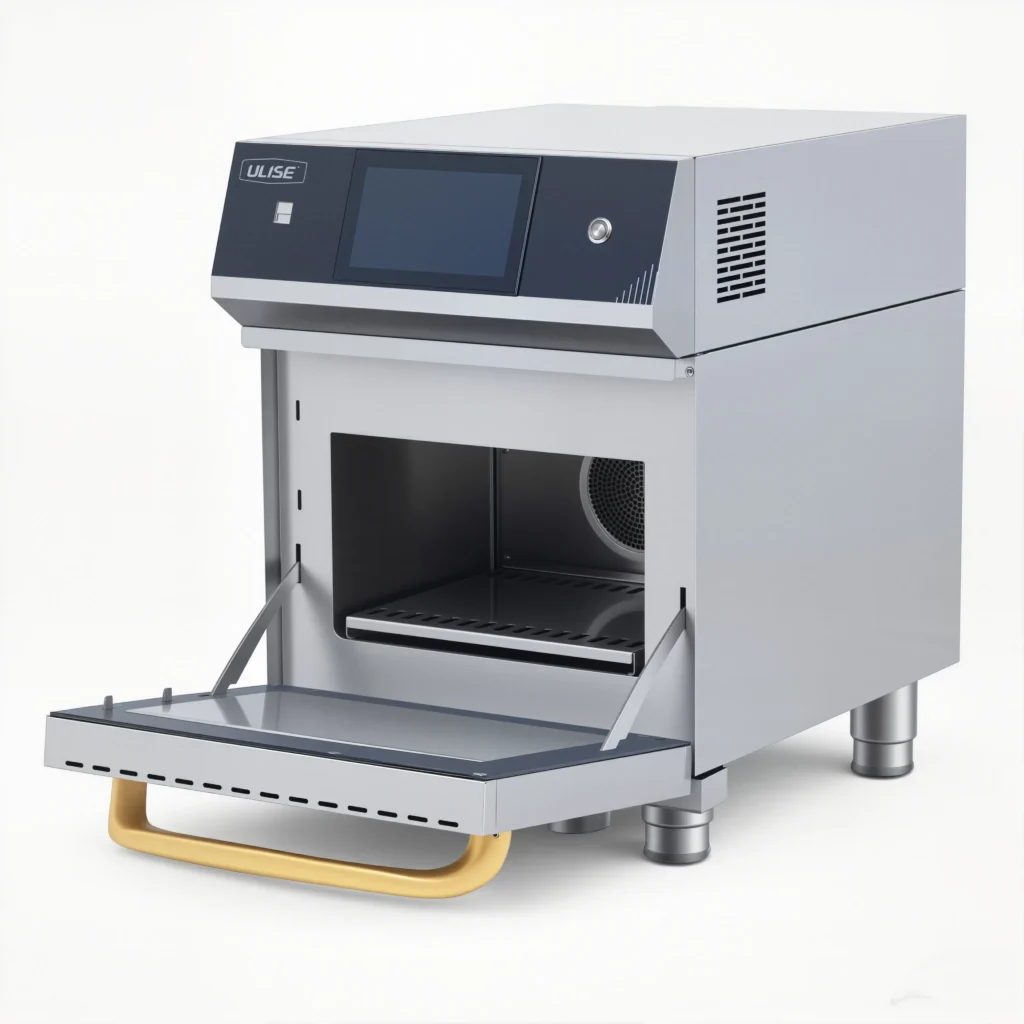
| Construction materials | Review chamber materials, finish, and component quality | Supports durability and easier maintenance |
| Service access | Confirm replaceable components and maintenance procedures | Helps control downtime and repair costs |
OEM and ODM Configuration for Different Markets
For distributors building their own brands, OEM services may include customized logos, packaging, labels, and control-panel designs. ODM projects may involve broader product configuration or design adaptations, subject to the manufacturer’s engineering capabilities. A Customizable solution should be defined through written specifications, approved drawings, sample confirmation where applicable, and documented acceptance criteria.
Before mass production, buyers should request a representative sample or conduct a pre-shipment inspection based on agreed testing procedures. The objective is to confirm that the supplied equipment matches the approved specification, not simply that it powers on during a brief demonstration.
2. Certification and Import Documentation Risk Mitigation: Avoid Customs Rejection in Cross-Border Supply Chains
International procurement requires more than manufacturing quality. A Rapid Cook Oven must also meet the applicable requirements of its destination market. Depending on the country, product configuration, and applicable regulations, buyers may need electrical safety evidence, electromagnetic compatibility documentation, food-contact material declarations, energy-related information, or other conformity records. Requirements should be verified before the purchase order is finalized.
Verify Certificates Against the Actual Product
Importers should not assume that every certificate held by a factory automatically covers every model. The certificate scope, manufacturer name, model number, rated electrical parameters, and applicable standards must correspond to the equipment being purchased. Depending on the destination and product category, relevant documentation may include CE conformity documentation, applicable electrical safety test reports, EMC test reports, or an ISO 9001 quality management system certificate for the manufacturing organization. An ISO 9001 certificate demonstrates a quality management system; it does not independently establish product safety compliance.
Build a Pre-Shipment Documentation Checklist
- Regulatory review: Confirm the destination country’s import rules and required conformity assessment before production.
- Document verification: Check certificate validity, issuing organization, model coverage, and relevant technical standards.
- Shipping documentation: Confirm the commercial invoice, packing list, transport document, product description, and country-of-origin information as applicable.
- Customs coordination: Have the importer or customs broker verify tariff classification, duties, taxes, and any product-specific import permits.
- Final document audit: Compare model numbers, quantities, consignee details, and shipment information across the complete document set.
FLAMEMAX operates an ISO 9001- and SGS-certified factory, according to its stated factory credentials. Buyers should nevertheless verify the current certificate scope and any product-specific compliance evidence required for their order. Clear responsibility for documentation, approval deadlines, and corrective actions should be recorded in the purchase agreement to reduce customs rejection risk, clearance delays, and compliance-related financial exposure.
3. Total Cost of Ownership (TCO): Look Beyond Unit Price for Long-Term Distribution Profitability
A low factory quotation does not necessarily represent the most profitable purchasing decision. For wholesalers and importers, the Total Cost of Ownership (TCO) includes the purchase price and the additional expenses incurred throughout procurement, transportation, installation, operation, maintenance, and eventual replacement. These costs can substantially influence resale margins, especially when distributors supply customers in multiple regions.
Calculate the Complete Landed and Operating Cost
Before comparing quotations, buyers should establish a consistent calculation framework. Freight, insurance, customs duties, destination handling charges, inland delivery, storage, installation, spare parts, and warranty administration should be evaluated alongside the equipment price. Electrical consumption and expected maintenance expenses may also affect long-term operating economics.
| Cost Category | Items to Include | Risk if Overlooked |
|---|---|---|
| Acquisition | Unit price, tooling, customization, samples | Unexpected upfront expenditure |
| Logistics | Freight, insurance, handling, inland transport | Higher landed cost |
| Import compliance | Testing, duties, taxes, clearance charges | Budget overruns or shipment delays |
| Operation | Electricity, installation, routine maintenance | Reduced customer value and profitability |
| After-sales | Spare parts, labor, replacements, warranty logistics | Margin erosion and service disputes |
Compare Suppliers on a Like-for-Like Basis
Request quotations using the same model specifications, order quantities, packaging requirements, delivery terms, and payment conditions. A landed-cost comparison should distinguish supplier-controlled costs from destination-specific charges. Buyers should also clarify the applicable Incoterms, shipment responsibilities, cargo insurance arrangements, and the point at which risk transfers between parties.
FLAMEMAX provides commercial catering equipment manufacturing, flexible customization, and coordination support for warehouse storage and loading. These capabilities can help buyers organize shipments, but the actual financial benefit depends on order size, shipping arrangements, and destination requirements. A disciplined TCO model helps distributors protect gross margins, avoid underpricing, and select a Supplier capable of delivering consistent commercial value rather than simply the lowest initial price.
4. Warranty Framework and Spare-Parts Strategy for Overseas Distributors
After-sales service is a critical part of international equipment distribution. A Rapid Cook Oven that remains unavailable because a small component is out of stock can interrupt a restaurant’s operations and damage the distributor’s relationship with its customer. For overseas buyers, warranty conditions and spare-parts availability should therefore be evaluated before the order is placed, not negotiated after a failure occurs.
Define Warranty Responsibilities in Writing
A professional Supplier should provide written warranty terms covering the applicable period, covered components, exclusions, claim submission process, required evidence, and responsibility for shipping replacement parts. Buyers should clarify whether labor, freight, customs charges, and onsite service are included or excluded. The agreement should also define how manufacturing defects are distinguished from improper installation, misuse, normal wear, or inadequate maintenance.
Establish a Practical Spare-Parts Inventory
Distributors serving large territories may benefit from maintaining a planned inventory of frequently replaced components. The appropriate stock level depends on installed equipment volume, historical failure rates, supplier lead times, and the cost of downtime. Commonly considered items may include approved electrical components, switches, sensors, fans, door seals, and other model-specific service parts, where applicable.
- Obtain an illustrated parts list and component identification numbers.
- Request recommended spare-parts quantities for the projected installed base.
- Confirm component availability, replacement procedures, and dispatch lead times.
- Establish a technical escalation channel for troubleshooting and warranty claims.
- Track recurring failures and agree on corrective actions with the Manufacturer.
FLAMEMAX offers 24-hour online technical support and after-sales service as part of its stated service capabilities. Buyers should confirm the precise response arrangements, working-hour coverage, language support, and spare-parts terms for their destination market. A clearly documented warranty framework and dependable service process help distributors manage repair costs, reduce downtime, and protect long-term customer relationships.
5. Supplier Due Diligence and Stable Long-Term B2B Partnership Building
Reliable sourcing depends on verifying the factory behind the quotation. A professional Manufacturer should demonstrate that its production capacity, quality control procedures, technical resources, and export processes are suitable for the buyer’s planned order volume. Website claims and product photographs are useful starting points, but they cannot replace a structured supplier audit and documented purchasing controls.
Evaluate Manufacturing Capability and Quality Systems
FLAMEMAX reports operating a 15,000 m² production workshop, with more than 50 sets of advanced production equipment, over 10 semi-automatic assembly lines, and more than 10 professional testing facilities. The company also states that it conducts 100% product inspection before packing and offers flexible customization. These details provide a basis for further evaluation; buyers should confirm their relevance to the specific Rapid Cook Oven model and production line.
Key Audit Nodes Before and During an Order
- Factory verification: Confirm the legal business entity, production location, manufacturing scope, and ownership of relevant facilities.
- Production audit: Review capacity planning, critical component sourcing, work instructions, and traceability procedures.
- Quality audit: Examine inspection records, functional testing methods, defect handling, and corrective action reports.
- Pre-production approval: Confirm drawings, technical specifications, packaging details, branding artwork, and approved samples where applicable.
- Pre-shipment inspection: Agree on inspection criteria, sample selection, test records, packaging checks, and acceptance procedures.
- Commercial review: Check payment milestones, delivery commitments, change-control procedures, and remedies for nonconforming goods.
Build a Partnership with Clear Commercial Controls
For OEM and ODM projects, buyers should document intellectual property ownership, brand-use permissions, artwork approval, tooling responsibilities, confidentiality obligations, and restrictions on unauthorized specification changes. Production schedules should include realistic lead times, raw-material availability, inspection windows, and shipping coordination. Written agreements should also address quality deviations, late delivery, payment risk, and dispute resolution.
FLAMEMAX serves international B2B customers and offers product customization, manufacturing coordination, and technical support. Importers should assess these services through model-specific discussions, sample evaluation, reference checks where available, and a clearly defined trial order. A stable long-term Supplier relationship is built on measurable performance, transparent communication, consistent documentation, and mutually understood commercial responsibilities.
Make a Better Rapid Cook Oven Procurement Decision
The right Rapid Cook Oven Supplier can help distributors protect margins, manage compliance, and maintain dependable customer service. FLAMEMAX invites importers, wholesalers, and commercial kitchen equipment buyers to discuss technical specifications, OEM or ODM requirements, documentation, and bulk-order planning. Contact [email protected] or visit www.flamemax.com to request a quotation and evaluate a sourcing solution for the target market.


 English
 Español
 Français
 Italiano
 日本語
 Deutsch
 Русский
 한국어
 简体中文