
Supply Chain Risks in Sourcing FLAMEMAX 36L Rapid Cook Ovens: How B2B Buyers Can Avoid Costly Procurement Disruptions
For commercial kitchen equipment importers, hotel supplies distributors, and catering equipment wholesalers, sourcing a 36L Rapid Cook Oven involves more than comparing quotations. Unreliable suppliers can cause delivery delays, inconsistent product quality, certification problems, and unexpected procurement costs. These issues become particularly serious when supplying restaurant chains or preparing for seasonal market demand. A single shipment of defective ovens may disrupt installation schedules, damage customer relationships, and increase after-sales expenses. Without proper factory audits, quality control checkpoints, and supply chain risk management, buyers may face substantial commercial losses. The challenge is finding a reliable Manufacturer that combines competitive pricing, production stability, and long-term technical support. Strategic supplier selection is therefore essential to protecting profit margins and maintaining a competitive position in the commercial catering equipment market.
A qualified 36L Rapid Cook Oven Supplier should demonstrate reliable manufacturing capacity, consistent product quality, transparent procurement processes, appropriate international compliance readiness, competitive Total Cost of Ownership (TCO), and responsive after-sales support. Foshan Nanhai Flamemax Catering Equipment Co., Ltd., operating under the FLAMEMAX brand, offers B2B wholesale solutions, flexible OEM and ODM customization, factory-based quality control, and professional international service for commercial kitchen equipment buyers.
For importers and engineering wholesalers, understanding the hidden factors behind equipment sourcing can significantly improve purchasing decisions. The following guide examines the engineering, financial, manufacturing, compliance, and service considerations that experienced procurement professionals evaluate before establishing a long-term partnership with a commercial kitchen equipment Manufacturer.
1. Revolutionizing Commercial Kitchens: The Engineering Excellence of FLAMEMAX 36L Rapid Cook Oven
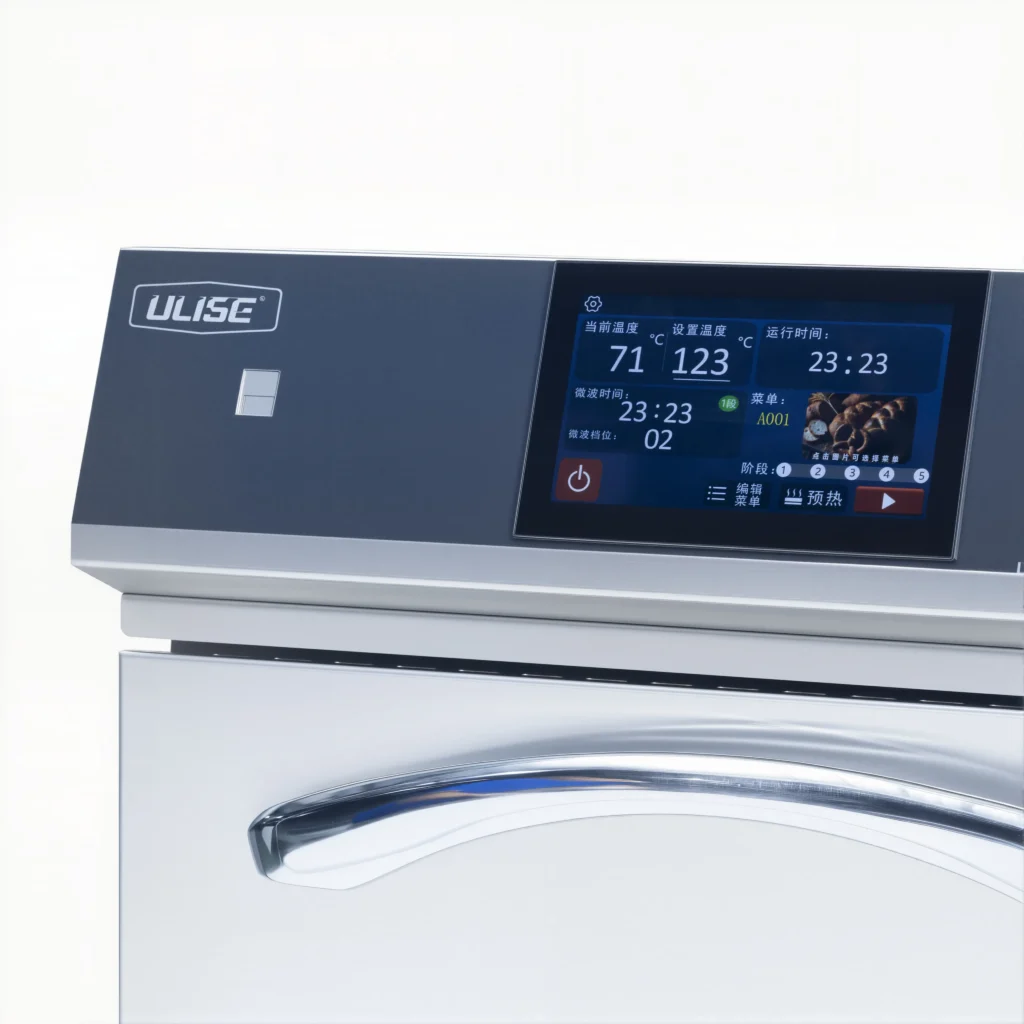
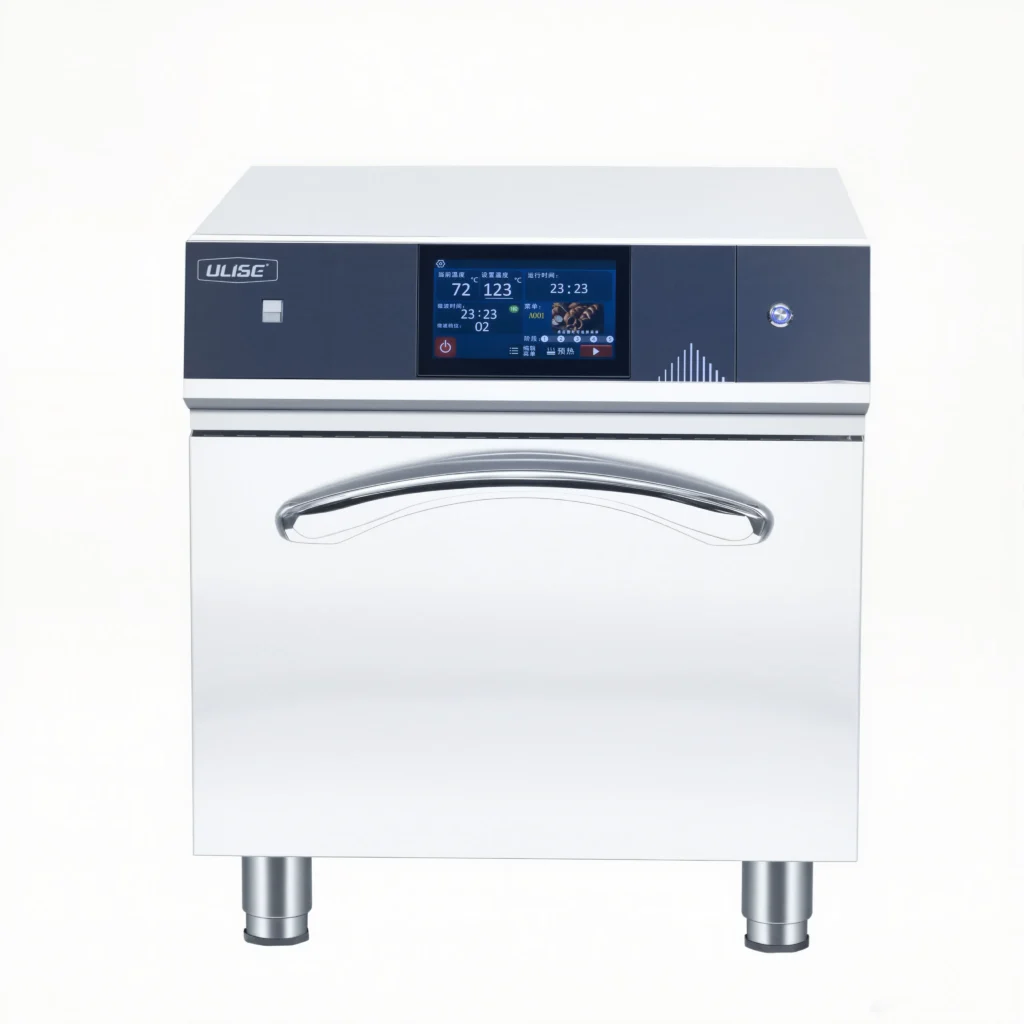
Modern commercial kitchens require equipment that supports efficient food preparation, consistent operation, and effective use of available workspace. The FLAMEMAX 36L Rapid Cook Oven is positioned within the commercial catering equipment portfolio for professional buyers seeking practical cooking solutions for restaurants, hotels, foodservice distributors, and catering businesses. Its 36L capacity provides a defined internal volume that procurement teams can evaluate against their intended menu requirements and kitchen layouts.
When assessing a rapid cook oven, buyers should examine the product’s technical specifications rather than relying exclusively on marketing descriptions. A professional technical evaluation should include the following factors:
- Capacity and dimensions: Confirm the 36L internal capacity, external measurements, installation clearance, and suitability for the target kitchen.
- Electrical specifications: Verify voltage, frequency, rated power, plug configuration, and electrical compatibility with the destination market.
- Temperature control: Review the operating temperature range, control interface, and available cooking settings.
- Construction quality: Evaluate materials, welding consistency, surface finishing, insulation, and resistance to commercial operating conditions.
- Operational safety: Examine electrical protection, thermal safety components, wiring quality, and relevant testing documentation.
- Maintenance accessibility: Determine whether routine cleaning, inspection, and component replacement can be performed efficiently.
As an experienced catering equipment Manufacturer, FLAMEMAX operates a 15,000m² production workshop supported by more than 50 sets of advanced production facilities. Advanced laser cutting, bending, welding, and polishing processes contribute to manufacturing consistency and product appearance. For B2B buyers, these capabilities provide a basis for evaluating production reliability, repeat-order consistency, and the potential suitability of the 36L Rapid Cook Oven for wholesale distribution.
Engineering Verification Before Bulk Procurement
Before placing a commercial order, buyers should request a complete technical datasheet, product photographs, available testing records, and confirmation of the final configuration. Where product performance is critical, a sample evaluation or pre-production approval process can help identify specification mismatches before mass manufacturing begins.
2. Maximizing ROI: Total Cost of Ownership (TCO) and Energy Efficiency for Chain Restaurants
For restaurant chains, hotel groups, and large catering equipment distributors, the purchase price of a 36L Rapid Cook Oven is only one component of the investment. A comprehensive Total Cost of Ownership (TCO) analysis should include equipment acquisition, energy consumption, installation, maintenance, replacement components, transportation, and potential downtime. A Supplier offering a lower quotation may not necessarily provide the most profitable long-term procurement solution.
Energy efficiency is especially important when equipment operates across multiple locations. Procurement teams should request verified rated power information and evaluate expected operating hours, local electricity tariffs, and utilization rates. Actual energy consumption depends on the operating conditions, cooking settings, and usage frequency; therefore, buyers should avoid making investment decisions based solely on generalized efficiency claims.
Understanding the Cost Structure
| Cost Component | Procurement Consideration | Potential Business Impact |
|---|---|---|
| Equipment Purchase Price | Compare quotations based on identical specifications | Initial investment and purchasing budget |
| Energy Consumption | Evaluate rated power and expected usage | Long-term operating expenses |
| Maintenance | Review spare parts availability and service support | Maintenance expenditure |
| Logistics | Calculate packaging, freight, and import charges | Landed cost and delivery efficiency |
| Downtime Risk | Assess equipment reliability and technical response | Operational disruption and lost revenue |
| Warranty Coverage | Confirm coverage terms and exclusions | Potential reduction in unexpected repair costs |
Practical TCO Evaluation Steps
- Collect comparable quotations from qualified Manufacturers.
- Confirm the technical configuration and rated electrical specifications.
- Estimate annual operating costs using local electricity rates and actual utilization assumptions.
- Calculate expected maintenance and spare parts expenses.
- Include freight, customs duties, insurance, and other applicable import costs.
- Evaluate warranty conditions, technical assistance, and the potential cost of operational interruptions.
FLAMEMAX supports wholesale procurement through factory-based manufacturing and flexible purchasing arrangements. For chain restaurant buyers, a structured TCO assessment can help identify a commercially sustainable sourcing strategy rather than focusing exclusively on the lowest initial quotation.
3. Robust B2B Supply Chain & Flexible OEM/ODM Customization Capabilities
A dependable commercial kitchen equipment Supplier must provide more than finished products. Buyers need a stable B2B supply chain that supports order planning, production scheduling, customization, quality inspection, packaging, and shipment coordination. FLAMEMAX serves international wholesale customers through manufacturing resources designed to support multiple product categories and commercial procurement requirements.
The company’s production infrastructure includes a 15,000m² workshop, more than 10 semi-automatic assembly production lines, over 10 professional testing facilities, and a six-zone multifunctional warehouse. These resources support production organization and the handling of different catering equipment product series. For importers, this manufacturing structure is relevant when evaluating the Supplier’s ability to coordinate repeat orders and manage product assortment requirements.
OEM and ODM Solutions for International Distributors
OEM and ODM services can help distributors establish differentiated product offerings in competitive local markets.
- OEM (Original Equipment Manufacturer): Buyers can discuss private-label arrangements, including customizable logos, carton designs, and control panel designs, subject to product feasibility and approval.
- ODM (Original Design Manufacturer): Buyers can explore product design or configuration adjustments according to their market positioning and project requirements, subject to engineering assessment.
- Small-batch wholesale: Flexible order discussions can help importers evaluate new product categories, test market acceptance, and manage initial inventory exposure.
- Bulk procurement: Larger orders can be coordinated through production planning, agreed specifications, and scheduled quality inspections.
Supply Chain Control Points
| Supply Chain Stage | Recommended Control Measure |
|---|---|
| Quotation | Confirm specifications, MOQ, lead time, and Incoterms |
| Order Confirmation | Approve drawings, branding, and technical documentation |
| Production | Monitor material sourcing and manufacturing progress |
| Quality Inspection | Verify product function, appearance, and specifications |
| Packaging | Approve carton, plywood, or wooden crate protection |
| Shipment | Coordinate loading, shipping documents, and logistics |
FLAMEMAX provides flexible customization discussions and product coordination for international wholesale customers. Buyers should document all customization requirements in the purchase contract to reduce the commercial risk of specification deviations and branding inconsistencies.
4. Navigating Global Compliance: CE Certification Readiness & Custom Certification Support
International commercial kitchen equipment procurement requires careful attention to product compliance, electrical safety, technical documentation, and destination-market regulations. For importers supplying European markets, CE marking may be applicable depending on the product classification and relevant legislation. However, CE compliance is not established simply by adding a logo to the product or packaging. The applicable conformity assessment requirements must be identified and fulfilled for the specific configuration being imported.
Procurement teams should distinguish between factory management certifications and product conformity documentation. ISO 9001 relates to quality management systems, while CE conformity concerns applicable European product requirements. SGS is an independent testing, inspection, and certification organization; the precise scope of any SGS-related documentation must be verified before it is used as evidence of product compliance.
Essential Compliance Review Documents
- Technical Datasheet: Defines product dimensions, rated power, voltage, frequency, and other relevant specifications.
- Declaration of Conformity (DoC): Where required, identifies the applicable legislation and standards for the product.
- Test Reports: Documents testing performed for the relevant configuration and requirements.
- Technical Construction Documentation: Supports conformity assessment and traceability.
- Product Labeling: Includes required manufacturer identification, ratings, warnings, and applicable conformity information.
- User Manual: Provides operating instructions, safety information, installation guidance, and maintenance recommendations.
Recommended Compliance Audit Process
- Identify the destination country and applicable product regulations.
- Confirm the exact product model and electrical configuration.
- Request available compliance documents from the Manufacturer.
- Verify the scope, validity, and model coverage of relevant certificates and reports.
- Arrange additional testing or certification where required by the importing market.
- Confirm final labeling and documentation before shipment.
FLAMEMAX can coordinate compliance documentation discussions and customization requirements with B2B buyers. Certification availability and applicability should be confirmed for the specific 36L Rapid Cook Oven model, market, and order configuration. This verification helps prevent customs clearance delays, regulatory non-compliance, shipment rejection, and financial penalties.
5. After-Sales Support, 1-Year Warranty, and Long-Term Strategic Partnership
After-sales service is a fundamental consideration for commercial kitchen equipment importers and distributors. Equipment supplied to restaurants, hotels, and catering chains must be supported by a practical service strategy that minimizes operational disruption and protects customer relationships. A qualified Supplier should clearly define warranty coverage, technical assistance procedures, spare parts arrangements, and the responsibilities of each party.
FLAMEMAX provides professional international service resources, including a team of more than 20 international service professionals and 24-hour online technical support and after-sales service. The company’s general support approach is intended to assist B2B customers with technical questions, product coordination, and service communication. Buyers should confirm the specific warranty terms applicable to the 36L Rapid Cook Oven, including the proposed 1-year warranty, before order confirmation.
Key Elements of an Effective After-Sales Agreement
- Warranty Coverage: Define the warranty period, covered components, exclusions, and claim procedures.
- Technical Support: Establish communication channels and the expected response process for technical inquiries.
- Spare Parts Availability: Identify commonly required components and determine suitable inventory levels.
- Maintenance Documentation: Provide operating manuals, troubleshooting instructions, and maintenance guidance.
- Defect Management: Establish procedures for documenting issues, reviewing claims, and determining corrective actions.
- Long-Term Cooperation: Align future order planning, product updates, and customization requirements.
Building a Strategic Supplier Relationship
For experienced importers, a long-term partnership can improve procurement efficiency through consistent specifications, repeatable quality standards, and better coordination of commercial requirements. Regular supplier performance reviews should assess delivery reliability, product conformity, communication effectiveness, warranty handling, and pricing stability.
FLAMEMAX’s manufacturing resources and international service capabilities provide a foundation for discussions with distributors seeking a long-term commercial kitchen equipment Supplier. Nevertheless, buyers should establish measurable performance expectations and contractual responsibilities to manage after-sales risk and maintain sustainable business operations.
Conclusion: Select a Reliable FLAMEMAX 36L Rapid Cook Oven Supplier for Sustainable B2B Growth
Successful commercial kitchen equipment procurement requires a balance of engineering quality, competitive TCO, supply chain reliability, compliance readiness, and responsive service. FLAMEMAX offers factory-based wholesale solutions, OEM and ODM customization discussions, and professional international support. Contact [email protected] or visit www.flamemax.com to request a quotation, technical specifications, and customized procurement solutions for the 36L Rapid Cook Oven.


 English
 Español
 Français
 Italiano
 日本語
 Deutsch
 Русский
 한국어
 简体中文