
Supply Chain Risks in 16L Rapid Cook Oven Procurement: Avoiding Costly Sourcing Mistakes
Procuring a 16L Rapid Cook Oven involves more than comparing unit prices. For importers, catering equipment distributors, and commercial kitchen wholesalers, an unreliable Manufacturer can create serious supply chain disruptions. Delayed bulk orders, inconsistent heating performance, unstable component quality, and insufficient after-sales support can lead to missed delivery commitments, customer complaints, and reduced profit margins. The problem becomes more complicated when suppliers cannot maintain production consistency or accommodate OEM and ODM requirements. Without proper factory verification, quality inspections, and realistic lead-time planning, buyers may face unexpected costs long after placing an order. Choosing the wrong Supplier does not simply affect one shipment; it can damage an entire distribution network and long-term business reputation.
What Defines a Reliable 16L Rapid Cook Oven Manufacturer?
A qualified 16L Rapid Cook Oven Supplier should demonstrate stable manufacturing capacity, consistent quality control, transparent production lead times, flexible OEM and ODM services, and dependable technical support. Foshan Nanhai Flamemax Catering Equipment Co., Ltd. combines 16 years of commercial kitchen equipment manufacturing experience, a 15,000m² production workshop, ISO9001 and SGS certifications, and comprehensive pre-shipment inspection capabilities to support international B2B buyers.
What Experienced Importers Should Know Before Sourcing 16L Rapid Cook Ovens
For professional importers and catering equipment wholesalers, the real purchasing advantage lies in understanding how product specifications connect with manufacturing efficiency, logistics costs, and downstream profitability. The following sections examine five critical procurement considerations, including capacity planning, production reliability, total ownership costs, application scenarios, and long-term supplier partnerships. These are the practical factors that distinguish a competitive sourcing decision from an expensive purchasing mistake.
1. 16L Capacity: The Sweet Spot Between Compact Footprint and Commercial Throughput
Capacity selection directly influences equipment utilization, kitchen layout, and operational profitability. A 16L Rapid Cook Oven offers a practical balance between a relatively compact installation footprint and the ability to support commercial food preparation. For distributors and project purchasers, this capacity provides an attractive product category for customers who require efficient cooking equipment without allocating excessive counter space.
However, professional buyers should not evaluate the 16L specification independently. Actual commercial suitability also depends on chamber dimensions, usable cooking space, heating configuration, temperature control accuracy, power requirements, and compatibility with the intended food products.
Key Technical Specifications to Verify Before Ordering
| Evaluation Item | Procurement Consideration | Commercial Importance |
|---|---|---|
| Nominal Capacity | 16L cooking chamber | Defines the equipment category and application suitability |
| Chamber Dimensions | Internal usable dimensions | Determines actual food-loading flexibility |
| Electrical Configuration | Voltage, frequency, and rated power | Ensures compatibility with destination markets |
| Temperature Control | Control accuracy and adjustment range | Supports repeatable cooking performance |
| Construction | Material quality and insulation | Affects durability, safety, and maintenance |
| External Dimensions | Installation and countertop footprint | Influences kitchen space planning |
Why Capacity Consistency Matters for Wholesale Buyers
For an importer purchasing multiple units, dimensional consistency is essential. Variations in chamber construction, accessories, or external dimensions can create problems during installation and distribution. A professional Manufacturer should provide confirmed technical drawings and product specifications before mass production.
FLAMEMAX supports commercial kitchen equipment buyers with product selection and Customizable manufacturing options. Depending on model feasibility, buyers can discuss control panel designs, branding, packaging, and electrical configurations to meet their target market requirements. This approach helps distributors build a coherent product portfolio while reducing specification-related purchasing risks.
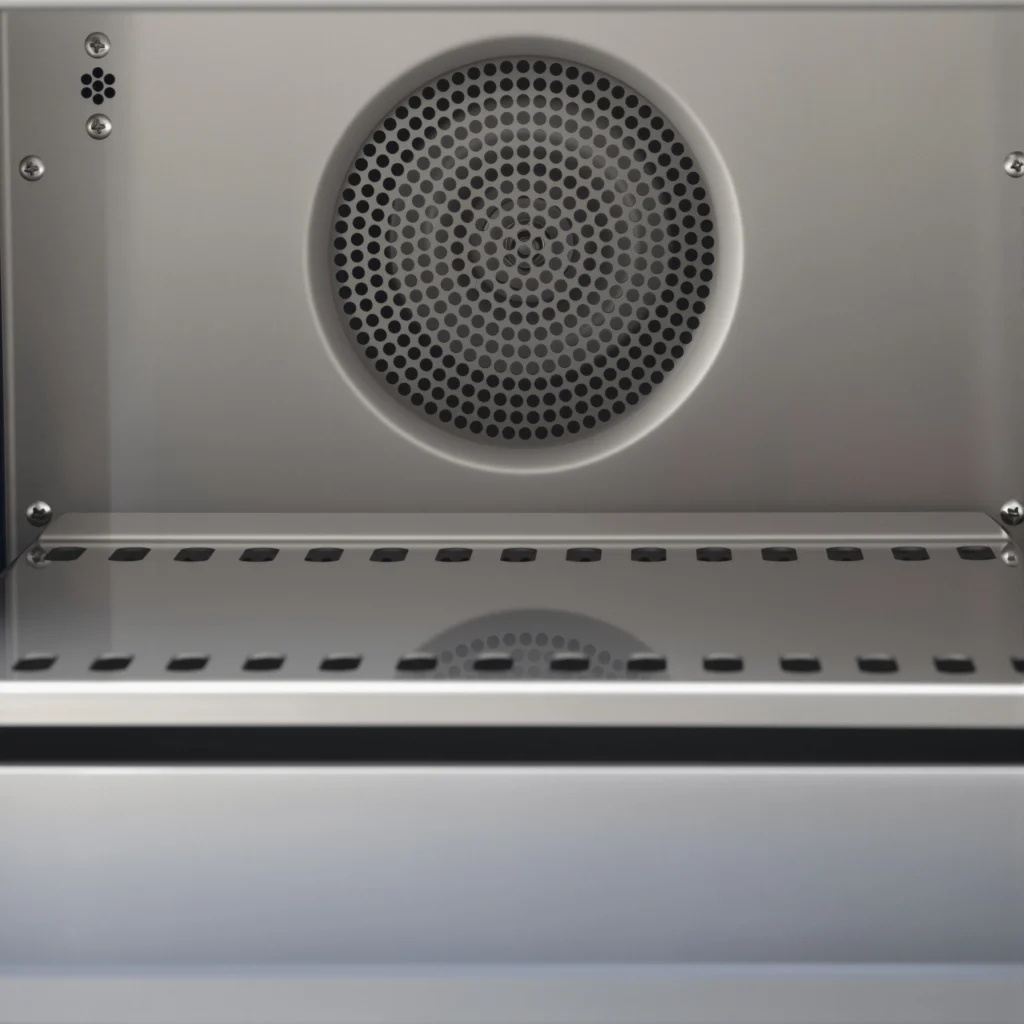
2. End-to-End Supply Chain Reliability: Bulk Order Lead Time, Production Capacity & Customization Flexibility
For international distributors, supply continuity is often more important than securing the lowest initial quotation. A Supplier may offer attractive prices but fail to deliver consistent production volumes, particularly when handling mixed-product orders or customized specifications. Reliable procurement therefore requires evaluating the complete manufacturing process, from raw material sourcing and component preparation to assembly, testing, packaging, and export coordination.
Manufacturing Capacity and Production Management
FLAMEMAX operates a 15,000m² production workshop supported by more than 50 sets of advanced production facilities and over 10 semi-automatically assembly production lines. The factory also maintains more than 10 professional testing facilities, helping coordinate manufacturing and inspection activities across its commercial kitchen equipment range.
For bulk purchasers, these resources provide a manufacturing foundation for handling wholesale requirements. Nevertheless, buyers should confirm actual model-specific production capacity, component availability, and order scheduling before signing a purchase contract.
Critical Supply Chain Audit Checkpoints
- Factory qualification audit: Verify the Manufacturer’s production facilities, manufacturing experience, management systems, and relevant certifications.
- Technical confirmation: Approve specifications, drawings, electrical requirements, branding, and packaging details before production.
- Raw material inspection: Confirm material grades, component specifications, and approved suppliers.
- Production monitoring: Review assembly progress and identify potential manufacturing deviations.
- Pre-shipment inspection: Conduct functional, appearance, and quantity inspections before final packing.
- Export coordination: Confirm shipping marks, carton specifications, loading arrangements, and required export documents.
OEM and ODM Flexibility for International Distributors
In competitive markets, product differentiation helps wholesalers protect their margins. FLAMEMAX provides flexible OEM and ODM cooperation options, including customizable logos, carton designs, control panel designs, and product color selections, subject to technical feasibility and order confirmation.
Buyers should establish a written customization agreement covering approved samples, artwork, production tolerances, intellectual property ownership, and quality acceptance criteria. This prevents specification disputes and delivery risks while creating a more predictable long-term supply relationship.
3. Total Cost of Ownership (TCO): How 16L Rapid Cook Ovens Drive Higher ROI vs. Traditional Ovens
Professional purchasing decisions should be based on Total Cost of Ownership (TCO) rather than the initial purchase quotation alone. For importers and equipment distributors, the real cost of a Rapid Cook Oven includes procurement, international transportation, installation, electricity consumption, maintenance, replacement components, and potential warranty expenses.
A 16L Rapid Cook Oven may provide commercial advantages when its cooking performance, installation requirements, and operational efficiency match the customer’s application. However, buyers should avoid assuming that every rapid cooking model automatically consumes less energy or produces higher output than a traditional oven. Actual results depend on rated power, cooking programs, operating frequency, food quantities, and local electricity costs.
Comparing Procurement Costs and Operating Expenses
| TCO Component | 16L Rapid Cook Oven | Traditional Oven |
|---|---|---|
| Initial Investment | Model-specific purchase price | Model-specific purchase price |
| Installation | Based on electrical and space requirements | Based on equipment size and installation requirements |
| Energy Consumption | Calculated using rated power and operating time | Calculated using rated power and operating time |
| Cooking Efficiency | Evaluate actual cycle time and batch capacity | Evaluate actual cycle time and batch capacity |
| Maintenance | Depends on component quality and usage frequency | Depends on component quality and usage frequency |
| After-Sales Expenses | Depends on warranty and technical support | Depends on warranty and technical support |
How Buyers Can Calculate Potential ROI
For wholesale purchasers, a practical evaluation should include the following financial indicators:
- Purchase cost: Equipment price, customization charges, and associated sourcing expenses.
- Landed cost: International freight, insurance, customs duties, and destination handling fees.
- Operating cost: Electricity consumption, labor requirements, and maintenance expenses.
- Revenue potential: Expected selling price, product turnover, and customer demand.
- Warranty exposure: Potential replacement costs, spare parts, and service-related expenses.
For example, a distributor can compare two potential Suppliers by calculating the landed cost per unit and estimated service expenses over the expected equipment lifecycle. A slightly higher factory quotation may deliver better profitability if it comes with more consistent quality, fewer warranty claims, and reliable technical support.
FLAMEMAX emphasizes material quality, advanced manufacturing processes, and 100% product inspection before packing. These practices help buyers manage quality-related financial risks and develop a more sustainable wholesale pricing strategy.
4. Scenario-Based Capacity Deployment: 16L Oven Solutions for Cafés, C-Stores, Bakeries & Fast Casual Chains
The commercial value of a 16L Rapid Cook Oven depends heavily on its intended application. Different business formats have different requirements for cooking frequency, menu variety, available counter space, staff training, and equipment utilization. Importers should therefore evaluate end-user demand before deciding which models and quantities to purchase.
Cafés and Coffee Shops
Cafés often require compact equipment to support supplementary food preparation without occupying excessive kitchen space. A 16L unit may suit selected heating and cooking applications, depending on its actual technical configuration. For distributors supplying café projects, appearance, user-friendly controls, and manageable installation requirements can be important selling points.
Convenience Stores and C-Stores
Convenience stores typically prioritize operational simplicity, repeatable food preparation, and efficient use of limited counter space. Buyers should evaluate cooking-cycle consistency, electrical compatibility, cleaning requirements, and expected daily operating frequency. A suitable rapid cooking solution may help support selected hot-food service operations.
Bakeries and Fast Casual Restaurants
For bakeries, equipment suitability depends on the specific product range and cooking requirements. A 16L Rapid Cook Oven should not automatically be positioned as a replacement for specialized baking ovens. Instead, it may serve complementary applications where its verified cooking functions meet operational needs.
Fast casual chains may benefit from standardized equipment configurations across multiple locations. Procurement teams should prioritize consistent specifications, operator training requirements, spare parts availability, and scalable supply arrangements.
Application-Based Procurement Reference
| Business Type | Primary Purchasing Priority | Key Evaluation Criteria |
|---|---|---|
| Cafés | Compact installation | Appearance, usability, cooking suitability |
| C-Stores | Operational consistency | Cycle performance, cleaning, electrical compatibility |
| Bakeries | Menu compatibility | Temperature control and cooking application |
| Fast Casual Chains | Multi-location standardization | Specification consistency, service, spare parts |
For distributors serving multiple customer segments, stocking a carefully selected range of commercial cooking equipment can create cross-selling opportunities. FLAMEMAX offers various catering equipment categories, allowing importers to coordinate broader product sourcing through one manufacturing partner.
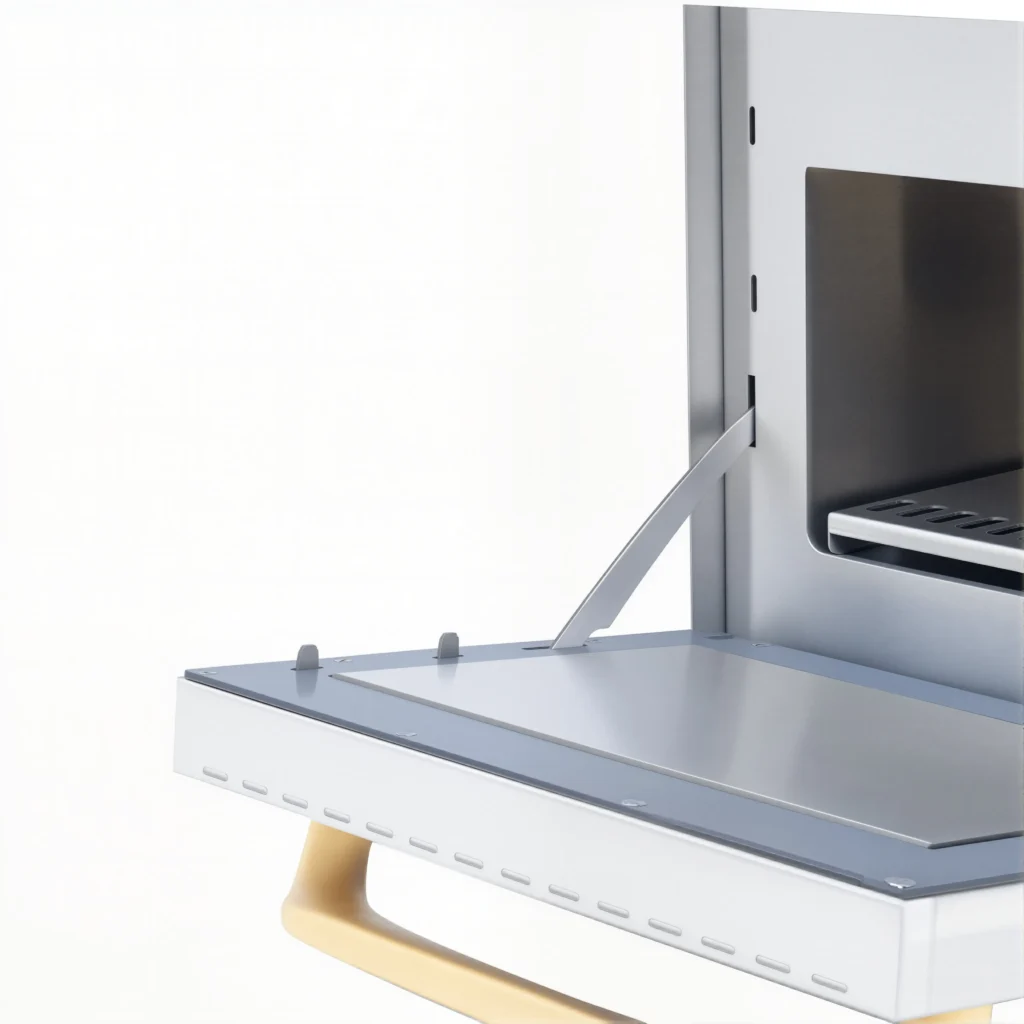
5. Long-Term Procurement Partnership: Quality Consistency, Global Compliance & After-Sales Technical Support
Successful international procurement is built on repeatable quality, regulatory awareness, and responsive after-sales support. For importers distributing under their own brands, supplier selection directly influences customer satisfaction and long-term market reputation. A reliable Manufacturer should therefore demonstrate not only production capabilities but also systematic quality management and a practical approach to export compliance.
Quality Management and Factory Certification
FLAMEMAX operates an ISO9001-certified quality management system and holds SGS-related factory certification. Its production resources include professional testing facilities and experienced technical personnel. The factory also applies a 100% pre-shipment product inspection process before equipment is packed.
For procurement managers, these credentials and procedures provide useful reference points during supplier qualification. However, buyers should distinguish between factory-level certification, product-level certification, and destination-market regulatory approval. An ISO9001 certificate does not automatically establish that an individual electrical appliance meets every import requirement.
Global Compliance and Documentation Verification
Electrical catering equipment may be subject to different regulatory requirements depending on the importing country. Before placing a bulk order, buyers should identify the applicable standards and confirm that the exact model, voltage configuration, and components meet the destination market’s requirements.
Important compliance checkpoints include:
- CE conformity: Verify applicable European Union legislation and supporting technical documentation when supplying relevant European markets.
- Electrical safety: Confirm applicable national standards and testing requirements.
- EMC compliance: Check electromagnetic compatibility requirements where applicable.
- RoHS requirements: Verify restricted-substance obligations for relevant markets and product categories.
- Import documentation: Confirm commercial invoices, packing lists, certificates of origin, and other required shipping documents.
- Product traceability: Maintain model numbers, production batches, inspection records, and relevant technical documents.
Buyers should request valid, model-specific documentation and arrange independent verification where necessary. This reduces customs clearance risks, regulatory non-compliance, and potential shipment delays.
After-Sales Service and Technical Support
For international wholesalers, after-sales support is a critical part of the supplier evaluation process. Equipment problems can generate replacement costs, customer complaints, and damage to the distributor’s own brand reputation.
FLAMEMAX provides 24-hour online technical support and after-sales service, supported by a professional international service team. Its cooperation model also includes assistance with spare parts coordination and product-related technical communication.
Before establishing a long-term purchasing agreement, importers should clarify the following commercial conditions:
- Warranty coverage, duration, and exclusions.
- Availability and pricing of replacement components.
- Technical response procedures and communication channels.
- Responsibilities for defective products and transportation expenses.
- Spare parts stocking arrangements for large-volume distributors.
- Procedures for handling quality complaints and batch-related issues.
Building a Sustainable OEM and ODM Partnership
For established distributors and importers, long-term cooperation should extend beyond individual purchase orders. Consistent product specifications, agreed quality standards, predictable production planning, and transparent commercial communication help both parties manage business growth.
With 16 years of manufacturing experience, FLAMEMAX supports international B2B customers seeking commercial kitchen equipment through wholesale, OEM, and ODM cooperation. Its manufacturing infrastructure, customization flexibility, inspection procedures, and export coordination capabilities provide a foundation for developing stable supplier relationships.
For buyers planning recurring orders, the most effective approach is to establish an annual purchasing forecast, agree on model-specific quality standards, confirm production schedules in advance, and review supplier performance after each shipment. This creates a measurable framework for reducing procurement risks and strengthening long-term commercial competitiveness.
Make the Right Procurement Decision with FLAMEMAX
Choosing a 16L Rapid Cook Oven is ultimately about securing reliable quality, competitive landed costs, and sustainable supply continuity. Partner with FLAMEMAX for professional manufacturing, flexible OEM and ODM cooperation, and dependable B2B support. Contact [email protected] or visit www.flamemax.com to discuss wholesale requirements and request a quotation.


 English
 Español
 Français
 Italiano
 日本語
 Deutsch
 Русский
 한국어
 简体中文