
Heat Loss, Thermal Stress, and Safety Challenges in Commercial Oven Door Systems
Commercial bakeries, hotel kitchens, and food production facilities depend on stable oven temperatures to maintain product consistency and production efficiency. However, poorly sealed doors, inadequate glazing, and misaligned hinges can cause continuous heat leakage, longer recovery periods, and uneven baking results. In high-throughput environments, frequent door opening compounds these problems, increasing energy consumption and exposing operators to hot surfaces and escaping steam. The challenge becomes more demanding in high-ambient-temperature kitchens, humid production areas, and electrically powered commercial baking systems, where door performance directly affects thermal stability, electrical load, and workplace safety. Without an engineered oven heat loss door design, even a well-insulated oven chamber may struggle to maintain its target temperature during intensive production cycles.
FLAMEMAX recommends a commercial oven door system with a correctly compressed, food-service-compatible commercial oven door gasket, insulated double glazing, and adjustable hinges. For many bakery applications, a 15–25 mm glazing cavity and a nominal gasket compression of 20–30% provide useful starting points, subject to material specifications and manufacturer validation. FLAMEMAX specializes in commercial catering equipment engineering and application-oriented customization.
For equipment importers, bakery equipment wholesalers, hotel supply distributors, and catering equipment retailers, selecting the right door configuration requires more than comparing exterior dimensions. The following engineering scenarios explain how gasket profiles, glazing structures, closing mechanisms, and thermal recovery requirements can be matched to different operating conditions, helping buyers evaluate equipment performance, maintenance needs, and long-term commercial value.
Compare Gasket Profiles and Replacement Access
The gasket is the primary sealing interface between the oven chamber and the surrounding kitchen. Its profile determines how effectively the door accommodates minor dimensional variations, repeated thermal expansion, and mechanical wear. In commercial bakeries operating multiple shifts, a poorly selected commercial oven door gasket can develop compression set, surface cracking, or localized leakage long before the oven reaches the end of its service life.
Select a Profile According to Operating Conditions
Solid silicone, hollow silicone, and application-specific high-temperature elastomer profiles serve different sealing requirements. Solid profiles provide relatively firm support, while hollow profiles can accommodate greater dimensional variation with lower closing force. The appropriate material must be verified against the oven’s maximum operating temperature, cleaning chemicals, food-service requirements, and expected opening frequency.
- Material compatibility: Select a gasket with a documented continuous-use temperature rating that exceeds the expected local operating temperature. A nominal 200–250°C rating may suit some applications, but the actual selection must follow the manufacturer’s technical data.
- Compression target: Use approximately 20–30% compression as an initial engineering reference for compatible hollow profiles, then verify the recommended range against the gasket specification.
- Dimensional tolerance: Check groove width, groove depth, gasket diameter, corner geometry, and the allowable door-frame variation before production.
- Replacement interval: Establish an inspection schedule based on opening frequency and operating hours rather than applying one universal replacement interval to every oven.
Design for Practical Maintenance
For a wholesale customer supplying independent bakeries, quick gasket replacement can reduce service labor and equipment downtime. A removable push-fit or mechanically retained profile may simplify maintenance when the design permits tool-free access. Adhesive-fixed configurations may be appropriate for other constructions but require compatible adhesives and controlled installation procedures. Replacement parts should be identifiable by profile drawing, material grade, cross-sectional dimensions, and equipment model.
In humid commercial kitchens with frequent washdown and high ambient temperatures, gasket selection must also account for moisture exposure, cleaning practices, and possible chemical degradation. In electrically heated convection ovens, persistent door leakage may increase heater duty and alter temperature-control behavior. The recommended solution is a serviceable sealing arrangement supported by documented spare-part specifications, rather than simply choosing the lowest initial gasket cost.
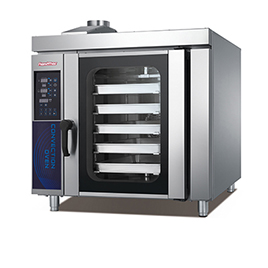
Evaluate Glass Layers and Visibility
Glazing affects heat retention, operator visibility, exterior surface temperature, and cleaning requirements. A single-pane door can provide a clear view of the baking chamber, but it generally offers less thermal resistance than a properly designed insulated assembly. For bakeries producing bread, pastries, pizzas, and other temperature-sensitive products, bakery oven double glazing can help reduce heat transfer through the viewing area while allowing staff to monitor product development without repeatedly opening the door.
Match the Glazing Configuration to the Application
Double glazing typically consists of two panes separated by an engineered air space or another specified insulating arrangement. The cavity reduces conductive and convective heat transfer when its dimensions, edge construction, and sealing are properly designed. A cavity of approximately 15–25 mm can serve as an initial design reference, but the optimum dimension depends on the door geometry, pane size, internal temperature, and tested thermal performance.
- Single glazing: Consider only where thermal requirements, equipment specifications, and applicable safety standards permit its use.
- Double glazing: Evaluate for general bakery production, hotel kitchens, and medium-to-high-duty commercial ovens where visibility and reduced surface heat transfer are priorities.
- Multi-layer glazing: Consider for demanding applications when validated thermal performance justifies the additional weight, cost, and maintenance complexity.
- Glass specification: Verify suitability for the oven’s thermal cycling, mechanical impact requirements, cleaning procedures, and applicable product safety standards.
Preserve Visibility and Cleaning Access
Glazing performance is not determined by pane count alone. Condensation, grease accumulation, damaged seals, and residue inside an inaccessible cavity can reduce visibility and create maintenance problems. Removable inner panels or an appropriately serviceable door assembly can simplify cleaning, provided that the design maintains the required structural integrity and insulation performance after reassembly.
In high-humidity bakery production rooms, rapid changes between door-open and door-closed conditions may encourage condensation on cooler surfaces. In electrically powered ovens operating at elevated chamber temperatures, thermal cycling also places demands on glass edges, retaining frames, and seals. An effective oven heat loss door design therefore balances thermal resistance with clear viewing, safe handling, and practical access for inspection. Buyers should request the glazing construction details and any available temperature, leakage, or surface-temperature test results rather than assuming that every double-glazed door performs identically.
Check Hinge Alignment and Closing Pressure
A gasket cannot maintain a consistent seal if the door frame is distorted or the hinges are misaligned. Even a small positional error can produce uneven compression, allowing heat to escape through one corner while placing excessive pressure on another section of the gasket. In busy commercial kitchens, repeated opening, heavy door loading, and thermal expansion can gradually change the alignment of hinges, latches, and retaining hardware.
Establish Mechanical Inspection Criteria
For importers and distributors purchasing commercial ovens in bulk, mechanical consistency is especially important because small assembly differences can create repeated service issues across an installed fleet. Inspection should focus on measurable geometry and repeatable closing behavior instead of relying exclusively on a visual assessment.
- Door alignment: Inspect the top, bottom, and side gaps with the door closed. Use the equipment manufacturer’s tolerances; a provisional gap variation of no more than 1–2 mm may be useful for initial assessment but is not a universal acceptance limit.
- Gasket contact: Check contact around the complete perimeter using an approved inspection method, such as a suitable paper-strip test where the design allows it.
- Closing pressure: Confirm that the latch and hinges provide consistent compression without excessive force, frame distortion, or abrupt closure.
- Hinge durability: Assess the specified load capacity and cycle-test evidence against the intended door weight and operating frequency.
- Handle ergonomics: Position and shape the handle to support a secure grip while minimizing the need for operators to place their hands near hot surfaces.
Apply the Correct Adjustment Procedure
When uneven sealing is detected, technicians should first inspect hinge fasteners, mounting points, frame deformation, latch engagement, and gasket condition. Adjustments must follow the manufacturer’s procedure because tightening a latch to compensate for a bent frame can increase mechanical stress without correcting the underlying problem. The door should be checked through repeated opening and closing cycles after adjustment.
In high-throughput bakeries with frequent door cycling, the mechanical assembly must withstand repetitive loading without losing its alignment. In electrical commercial ovens with thermostatic or electronic temperature controls, inconsistent sealing may cause longer heating periods and more frequent control-system demand. The recommended oven heat loss door design combines stable hinge mounting, controlled closing pressure, replaceable wear components, and documented inspection procedures. These measures help distributors reduce warranty exposure and give end users a practical maintenance plan.
Connect Door Leakage to Recovery and Safety
Door leakage affects more than energy consumption. When heated air escapes, the oven must restore the chamber temperature after closing, potentially increasing production time and creating inconsistent results between successive batches. The impact depends on chamber volume, heater capacity, insulation quality, product loading, opening duration, and the surrounding environment. For facilities operating continuous production schedules, these factors should be evaluated together rather than treating the door as an isolated component.
Evaluate Recovery Performance Under Real Operating Conditions
A useful engineering assessment compares the oven’s set temperature, measured chamber temperature, recovery time after a standardized door-opening event, and energy use over representative production cycles. Tests should keep the initial chamber temperature, opening duration, loading condition, and ambient conditions as consistent as possible. Otherwise, differences in product mass or operator behavior may obscure the effect of the door construction.
- Recovery test: Record the temperature drop and the time required to return to a defined recovery band, such as within 5°C of the setpoint, if that criterion is appropriate for the equipment.
- Leakage inspection: Check gasket contact, corner sealing, latch operation, and frame alignment before attributing poor recovery to insufficient heater capacity.
- Energy comparison: Measure electricity consumption over comparable operating periods and production loads. Avoid estimating savings from door construction alone without supporting test data.
- Production consistency: Compare baking uniformity, batch timing, and temperature stability before and after maintenance or design changes.
Control Operator Exposure and Electrical Risks
Escaping hot air can expose operators to elevated temperatures, while poorly designed handles and excessive closing force can increase the risk of burns, pinching, and repetitive strain. Double glazing may reduce heat transfer through the viewing area, but it does not automatically make the entire door safe to touch. Exterior temperatures, handle clearances, ventilation, and operator access must be assessed for the complete assembly.
In hot, humid kitchens with restricted ventilation, heat released from an oven door can add to the local thermal burden. In high-duty electrical heating systems with electronic temperature controllers, contactors, relays, and protective devices, prolonged heat demand may affect operating duty and expose inadequately protected components to unfavorable temperatures. Door sealing does not replace electrical protection, and an oven must not be operated with damaged wiring or compromised electrical enclosures.
A suitable commercial oven door gasket, verified glazing, correctly adjusted hinges, and reliable temperature controls work together as part of the oven’s overall thermal and safety system. For equipment buyers, the objective is to obtain measurable improvements in recovery behavior, serviceability, and operator protection without compromising applicable electrical, mechanical, or food-service requirements.
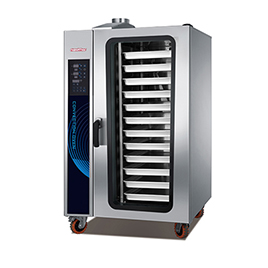
Compare Door Design Requirements Across Commercial Applications
Different commercial environments place different demands on the same basic door components. A neighborhood bakery may prioritize visibility and straightforward maintenance, while a hotel kitchen may require compact operation and a comfortable handle. A central production bakery may place greater emphasis on repeatable sealing, frequent-cycle durability, and documented performance across multiple ovens. The following comparison provides preliminary selection guidance; final specifications must be confirmed against the equipment design and operating conditions.
| Application Scenario | Typical Operating Challenge | Recommended Door Approach | Inspection Priority |
|---|---|---|---|
| Small retail bakery | Frequent viewing and intermittent baking cycles | Serviceable gasket and suitable double glazing | Visibility, sealing continuity, and cleaning access |
| Hotel and restaurant kitchen | Repeated door opening and limited operator space | Ergonomic handle, stable hinges, and insulated glazing where required | Closing force, exterior temperature, and safe access |
| Central bakery production line | High cycle frequency and tight production schedules | Durable gasket retention, repeatable alignment, and validated glazing | Recovery time, leakage, and cycle durability |
| Wholesale demonstration kitchen | Varied product loads and frequent equipment demonstrations | Adaptable door configuration with accessible service components | Operating consistency, spare-part availability, and maintenance |
| High-temperature commercial baking | Intense thermal cycling and elevated surface temperatures | Application-rated gasket and glazing assembly validated for the operating range | Material compatibility, glass integrity, and thermal safety |
Integrate Door Performance into the Equipment Specification
For B2B procurement, the door should be evaluated as part of a complete oven system. A technically appropriate specification should identify the gasket material and profile, glazing layers and cavity construction, hinge adjustment method, latch configuration, cleaning access, and replacement-part availability. It should also define the intended operating temperature, expected door-opening frequency, and applicable safety requirements.
For example, a distributor supplying several markets may require different handle arrangements, control-panel configurations, exterior finishes, or branding options. Such customization should not compromise sealing geometry, insulation, electrical safety, or access to service components. The manufacturer should review these requirements before confirming the production drawing.
FLAMEMAX manufactures commercial catering equipment and provides customization options for wholesale and distribution projects. Its production approach includes dimensional inspection, functional testing, and pre-shipment product inspection. Buyers evaluating a commercial oven door gasket or bakery oven double glazing configuration should request the applicable specifications and test evidence for the particular oven model, allowing purchasing teams to compare performance on a consistent basis.
Conclusion
Effective commercial oven door design combines reliable gasket sealing, appropriate glazing, accurate hinge alignment, and validated thermal performance. For wholesale equipment projects, FLAMEMAX can review application requirements and customization options. Contact [email protected] or visit www.flamemax.com to discuss suitable commercial oven configurations.


 English
 Español
 Français
 Italiano
 日本語
 Deutsch
 Русский
 한국어
 简体中文